Probiotici i suplementi za oporavak
Što su probiotici?
Probiotici su korisni mikroorganizmi, najčešće bakterije, koji prirodno žive u ljudskom probavnom i urogenitalnom sustavu. Oni pomažu održati ravnotežu crijevne mikrobiote, odnosno zajednice mikroorganizama koja ima važnu ulogu u očuvanju zdravlja.
Zdrava crijevna mikrobiota sudjeluje u probavi hrane, apsorpciji hranjivih tvari i stvaranju pojedinih vitamina. Osim toga, pomaže u zaštiti organizma od štetnih mikroorganizama i podržava normalan rad imunološkog sustava.
U crijevima žive bilijuni mikroorganizama koji zajedno čine složen ekosustav. Kada je njihova ravnoteža narušena, mogu se pojaviti različite probavne tegobe, ali i promjene koje mogu utjecati na opće zdravlje.
Zašto su zdrava crijeva važna?
Crijeva nisu važna samo za probavu. Ona imaju veliku ulogu i u radu imunološkog sustava jer se u njima nalazi velik broj imunoloških stanica. Zbog toga stanje crijevne mikrobiote može utjecati na obrambene sposobnosti organizma.
Kada je ravnoteža crijevnih bakterija narušena, mogu se javiti:
probavne smetnje
nadutost i plinovi
proljev ili zatvor
bolovi u trbuhu
slabija apsorpcija hranjivih tvari
pojačani upalni procesi u organizmu
Zdrava crijeva važna su za normalno funkcioniranje cijelog organizma.
Kako djeluju probiotici?
Probiotici pomažu održati ravnotežu između korisnih i štetnih mikroorganizama u crijevima. Njihovo djelovanje može pridonijeti boljem radu probavnog sustava i očuvanju zdravlja.
Istraživanja pokazuju da probiotici mogu:
poboljšati probavu hrane
pomoći boljoj apsorpciji vitamina i minerala
sudjelovati u stvaranju pojedinih vitamina
spriječiti pretjerano razmnožavanje štetnih bakterija
podržati normalan rad imunološkog sustava
potaknuti redovitu pokretljivost crijeva
pomoći obnovi zdrave crijevne mikrobiote nakon njezina poremećaja
Neki probiotički sojevi proizvode tvari koje otežavaju rast štetnih bakterija i drugih mikroorganizama. Na taj način pomažu održavanju zdrave ravnoteže u crijevima.
Mikrobiota i opće zdravlje
U ljudskim crijevima nalazi se više od tisuću različitih vrsta mikroorganizama. Zajedno čine crijevnu mikrobiotu, koja ima važnu ulogu u mnogim procesima u organizmu.
Zdrava mikrobiota može pomoći:
pravilnoj probavi
održavanju crijevne sluznice
normalnom radu imunološkog sustava
zaštiti od štetnih mikroorganizama
boljoj iskoristivosti hranjivih tvari
Zbog toga znanstvenici posljednjih godina sve više istražuju povezanost zdravlja crijeva s različitim bolestima.
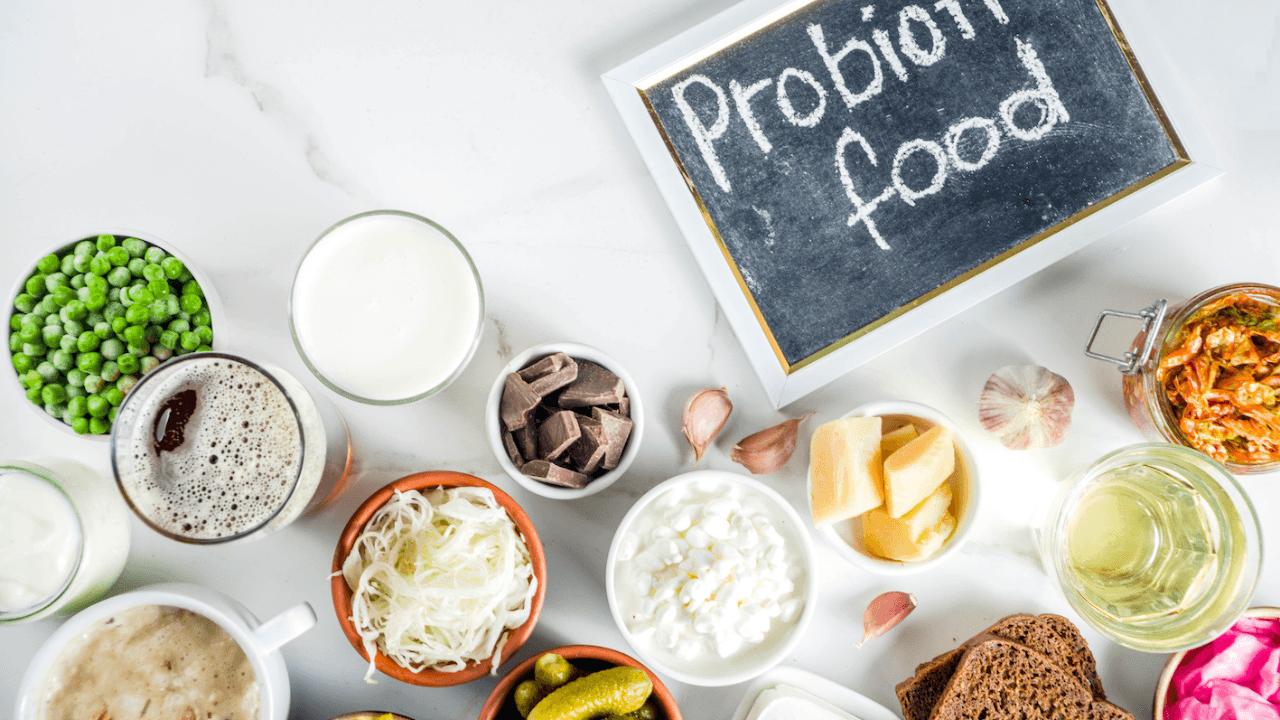
Prirodni izvori probiotika
Probiotici se mogu unositi hranom ili dodacima prehrani.
Prirodni izvori probiotika su:
jogurt
kefir
kiseli kupus
kimchi
kombucha
druga fermentirana hrana
Dodaci prehrani mogu sadržavati različite probiotičke sojeve. Među najistraženijima su:
Lactobacillus acidophilus
Lactobacillus rhamnosus
Bifidobacterium vrste
Saccharomyces boulardii
Nije svaki probiotik jednak. Različiti sojevi mogu imati različite učinke, pa izbor probiotika ovisi o zdravstvenom stanju i razlogu zbog kojeg se koristi.
Kada probiotici mogu pomoći?
Probiotici nisu lijek za sve bolesti, ali brojna istraživanja pokazuju da mogu biti korisni kod određenih zdravstvenih stanja. Njihov učinak ovisi o probiotičkom soju, zdravstvenom stanju osobe i načinu primjene.
Najviše znanstvenih dokaza postoji za njihovu primjenu kod pojedinih probavnih tegoba, dok se njihova uloga u drugim područjima još uvijek istražuje.
Sindrom iritabilnog crijeva (IBS)
Sindrom iritabilnog crijeva (IBS) jedan je od najčešćih funkcionalnih poremećaja probavnog sustava.
Osobe s IBS-om mogu imati:
bolove u trbuhu
nadutost
plinove
proljev
zatvor
izmjenjivanje proljeva i zatvora.
Istraživanja pokazuju da određeni probiotički sojevi mogu ublažiti ove simptome i poboljšati kvalitetu života kod dijela oboljelih. Međutim, ne djeluju svi probiotici jednako, pa je važno odabrati odgovarajući proizvod.
Upalne bolesti crijeva (IBD)
Upalne bolesti crijeva obuhvaćaju prije svega Crohnovu bolest i ulcerozni kolitis.
Kod ovih bolesti imunološki sustav uzrokuje dugotrajnu upalu probavnog sustava.
Neka istraživanja pokazuju da probiotici mogu pomoći u ublažavanju simptoma ili podržati standardno liječenje. Međutim, rezultati nisu uvijek jednaki, pa se probiotici ne smatraju zamjenom za propisanu terapiju.
Proljev povezan s primjenom antibiotika
Antibiotici uništavaju bakterije koje uzrokuju infekcije, ali pritom mogu smanjiti i broj korisnih bakterija u crijevima.
Zbog toga se tijekom ili nakon liječenja antibioticima može pojaviti proljev.
Brojna istraživanja pokazala su da određeni probiotici mogu smanjiti rizik od proljeva povezanog s primjenom antibiotika te pomoći bržem oporavku crijevne mikrobiote.
Neravnoteža crijevne mikrobiote (SIBO)
SIBO je stanje u kojem dolazi do prekomjernog rasta bakterija u tankom crijevu.
Najčešći simptomi su:
nadutost
bolovi u trbuhu
plinovi
proljev ili zatvor
osjećaj nelagode nakon jela.
Istraživanja pokazuju da probiotici kod nekih osoba mogu pomoći u ublažavanju simptoma i obnovi ravnoteže crijevne mikrobiote. Ipak, liječenje SIBO-a uvijek treba provoditi prema preporuci liječnika.
Oporavak crijevne sluznice
Crijevna sluznica djeluje kao zaštitna barijera između sadržaja crijeva i ostatka organizma.
Kada je oštećena, može doći do povećane propusnosti crijeva i lakšeg prolaska štetnih tvari.
Neka istraživanja pokazuju da određeni probiotici mogu pomoći u obnovi crijevne sluznice i očuvanju njezine zaštitne funkcije. Potrebna su dodatna istraživanja kako bi se točno odredilo kod kojih osoba i u kojoj mjeri imaju najveću korist.
Gljivične i druge infekcije
Pojedini probiotički sojevi mogu pomoći u održavanju zdrave ravnoteže mikroorganizama u organizmu.
Postoje istraživanja koja upućuju na moguću korist kod nekih gljivičnih infekcija te određenih infekcija uzrokovanih parazitima. Međutim, probiotici nisu zamjena za lijekove koje propisuje liječnik.
Probiotici i raspoloženje
Crijeva i mozak međusobno su povezani živčanim, hormonskim i imunološkim putovima. Ta se povezanost naziva os crijeva – mozak.
Zbog toga promjene u crijevnoj mikrobioti mogu utjecati ne samo na probavu nego i na raspoloženje.
Neka istraživanja pokazuju da probiotici mogu pomoći u ublažavanju simptoma blage do umjerene depresije. Postoje i dokazi da kod nekih osoba mogu smanjiti simptome anksioznosti.
Ipak, probiotici nisu zamjena za psihološko ili psihijatrijsko liječenje. Oni mogu biti dio cjelokupnog pristupa očuvanju zdravlja, uz preporuku zdravstvenog stručnjaka.
Zašto zdravlje crijeva utječe na cijeli organizam?
Crijeva imaju važnu ulogu u radu imunološkog sustava, regulaciji upalnih procesa i apsorpciji hranjivih tvari.
Kada je crijevna mikrobiota uravnotežena:
probava je učinkovitija
hranjive tvari bolje se iskorištavaju
imunološki sustav može normalno funkcionirati
održava se zaštitna funkcija crijevne sluznice.
Zbog toga se danas zdravlje crijeva smatra jednim od važnih čimbenika općeg zdravlja organizma.
Probiotici i autoimune bolesti
Autoimune bolesti nastaju kada imunološki sustav pogrešno napada vlastite stanice i tkiva.
Posljednjih godina znanstvenici sve više istražuju povezanost između crijevne mikrobiote i autoimunih bolesti. Kod mnogih oboljelih pronađene su promjene u sastavu crijevnih bakterija, zbog čega se istražuje može li obnova njihove ravnoteže pomoći u liječenju.
Za sada su rezultati istraživanja obećavajući, ali još uvijek nema dovoljno dokaza da bi se probiotici preporučili kao samostalna terapija.
Dijabetes tipa 1
Jedno veliko istraživanje pokazalo je da je rano uzimanje probiotika kod djece s povećanim rizikom za dijabetes tipa 1 bilo povezano s manjim rizikom razvoja autoimunih promjena.
Međutim, potrebna su dodatna istraživanja kako bi se potvrdilo mogu li probiotici smanjiti rizik od razvoja ove bolesti.
Multipla skleroza
Neka istraživanja pokazuju da probiotici kod osoba s multiplom sklerozom mogu smanjiti pojedine upalne pokazatelje te imati pozitivan učinak na opće zdravstveno stanje.
Ipak, dosadašnja istraživanja uključuju mali broj ispitanika pa su potrebna nova ispitivanja.
Reumatoidni artritis
Rezultati istraživanja nisu potpuno usklađeni.
Dok su neka istraživanja pokazala poboljšanje simptoma i smanjenje upale, druga nisu pronašla značajne koristi.
Zbog toga se probiotici mogu promatrati kao moguća pomoć uz standardno liječenje, ali ne kao njegova zamjena.
Probiotici i metabolizam
Crijevna mikrobiota sudjeluje u mnogim procesima koji utječu na način na koji organizam koristi energiju iz hrane.
Neka istraživanja pokazuju da osobe s neravnotežom crijevnih bakterija, osobito kod SIBO-a, češće imaju poremećaje metabolizma.
Pojedine bakterije mogu utjecati na količinu energije koju organizam iskorištava iz hrane. Zbog toga znanstvenici istražuju može li promjena sastava crijevne mikrobiote utjecati na tjelesnu masu i metabolizam.
Dosadašnji rezultati nisu potpuno usklađeni pa još nije moguće sa sigurnošću potvrditi koliki je stvarni učinak probiotika na mršavljenje ili regulaciju tjelesne mase.
Probiotici i alergije
Imunološki sustav i crijevna mikrobiota usko su povezani, zbog čega se istražuje mogu li probiotici pomoći osobama koje imaju alergije.
Dosadašnja istraživanja pokazuju da određeni probiotički sojevi mogu:
ublažiti simptome sezonskih alergija
poboljšati podnošenje mliječnih proizvoda kod osoba s intolerancijom na laktozu
kod neke djece možda smanjiti rizik razvoja pojedinih alergijskih bolesti.
Međutim, učinak nije jednak kod svih osoba i ovisi o probiotičkom soju, dobi i vrsti alergije.
Probiotici i hormonsko zdravlje žena
Crijevna mikrobiota sudjeluje u razgradnji i regulaciji pojedinih hormona, uključujući estrogen.
Zbog toga znanstvenici istražuju može li zdravlje crijeva utjecati na stanja poput:
sindroma policističnih jajnika (PCOS)
endometrioze
pretilosti
bolesti povezanih s hormonskom neravnotežom.
Neka istraživanja pokazala su da probiotici mogu poboljšati pojedine hormonske i upalne pokazatelje kod žena s PCOS-om.
Ipak, ovo je područje još uvijek predmet intenzivnih istraživanja pa su potrebni dodatni dokazi prije donošenja čvrstih zaključaka.
Kako odabrati probiotik?
Na tržištu postoji velik broj probiotičkih proizvoda, ali nisu svi jednaki.
Razlikuju se prema bakterijskim sojevima koje sadrže, njihovoj količini i namjeni.
Najistraženije skupine probiotika su:
Lactobacillus i Bifidobacterium
To su najčešće korišteni i najbolje istraženi probiotički sojevi.
Najviše se koriste kod različitih probavnih tegoba i za održavanje ravnoteže crijevne mikrobiote.
Saccharomyces boulardii
Ovo je korisni kvasac koji se često koristi za prevenciju i liječenje proljeva, osobito tijekom ili nakon primjene antibiotika.
Probiotici koji stvaraju spore
Ova skupina bakterija može biti otpornija na prolazak kroz probavni sustav.
Njihova primjena sve se više istražuje, ali za neke sojeve još uvijek postoji manje dokaza nego za Lactobacillus i Bifidobacterium.
Kako pravilno uzimati probiotike?
Uzimanje probiotika obično je jednostavno.
Većina se može uzimati:
uz obrok ili između obroka
u bilo koje doba dana
tijekom terapije antibioticima, uz vremenski razmak prema preporuci proizvođača ili zdravstvenog stručnjaka.
Neka istraživanja pokazuju da proizvodi koji sadrže više probiotičkih sojeva mogu biti učinkovitiji kod određenih probavnih tegoba od proizvoda koji sadrže samo jedan soj.
Ipak, najbolji izbor ovisi o zdravstvenom stanju osobe i razlogu uzimanja probiotika.
Dodaci prehrani za potporu zdravlju crijeva
Osim probiotika i prehrane, određeni dodaci prehrani mogu pomoći u očuvanju zdravlja crijeva i ravnoteže crijevne mikrobiote. Njihov učinak ovisi o zdravstvenom stanju osobe, vrsti dodatka i načinu primjene.
Važno je naglasiti da dodaci prehrani nisu zamjena za uravnoteženu prehranu niti za liječenje koje preporuči liječnik. Kod određenih zdravstvenih stanja mogu biti dio cjelovitog pristupa očuvanju zdravlja.
1. Biljni antimikrobici
Biljni antimikrobici sadrže prirodne spojeve koji mogu ograničiti rast određenih bakterija, gljivica i drugih mikroorganizama. Neki od njih tradicionalno se koriste za potporu zdravlju probavnog sustava.
Istraživanja pokazuju da pojedini biljni pripravci mogu pomoći kod:
sindroma iritabilnog crijeva (IBS)
upalnih bolesti crijeva (IBD)
određenih parazitskih infekcija
nekih bakterijskih infekcija probavnog sustava
proljeva
upalnih procesa u probavnom sustavu.
Kod osoba sa sindromom prekomjernog rasta bakterija u tankom crijevu (SIBO), neka istraživanja pokazala su da biljni antimikrobici mogu biti korisni kao dio terapije. Međutim, njihov izbor i primjenu uvijek treba prilagoditi zdravstvenom stanju pojedinca.
Biljni pripravci mogu imati snažno djelovanje i mogu uzrokovati nuspojave ili međudjelovati s lijekovima. Zato ih je preporučljivo koristiti uz savjet liječnika ili drugog zdravstvenog stručnjaka, osobito kod osoba s kroničnim bolestima ili oslabljenim imunitetom.
2. Elementarna prehrana
Elementarna prehrana posebna je vrsta medicinske prehrane u kojoj su hranjive tvari već razgrađene u jednostavne oblike koje organizam lako apsorbira.
Najčešće se koristi kao dio liječenja određenih bolesti probavnog sustava, a ne kao dodatak prehrani za svakodnevnu primjenu.
Istraživanja pokazuju da kod nekih osoba može:
privremeno rasteretiti probavni sustav
pomoći smanjenju upale
pridonijeti oporavku crijevne sluznice
pomoći u liječenju pojedinih stanja, poput SIBO-a, Crohnove bolesti ili eozinofilnog ezofagitisa.
Budući da se radi o posebnom obliku terapijske prehrane, elementarnu dijetu treba provoditi isključivo prema preporuci i pod nadzorom zdravstvenog stručnjaka.
3. L-glutamin
L-glutamin je aminokiselina koja služi kao važan izvor energije za stanice crijevne sluznice.
Zbog svoje uloge u održavanju crijevne barijere često se koristi kao dodatak prehrani kod osoba koje imaju probavne tegobe ili povećanu propusnost crijeva.
Istraživanja pokazuju da L-glutamin može:
pomoći očuvanju crijevne sluznice
smanjiti povećanu propusnost crijeva kod određenih osoba
ublažiti neke simptome sindroma iritabilnog crijeva (IBS).
Ipak, nisu sva istraživanja pokazala jednake rezultate pa su potrebna dodatna ispitivanja kako bi se utvrdilo kod kojih osoba ima najveću korist.
4. Cink karnozin
Cink je mineral koji sudjeluje u radu brojnih enzima te je važan za imunološki sustav, zacjeljivanje tkiva i održavanje zdravlja sluznice probavnog sustava.
Cink karnozin je spoj cinka i L-karnozina koji omogućuje dulje djelovanje u želucu i crijevima.
Dosadašnja istraživanja pokazuju da može:
pomoći cijeljenju želučane sluznice
pridonijeti obnovi crijevne barijere
smanjiti povećanu propusnost crijeva kod određenih osoba.
Zbog tih svojstava često se koristi kao potpora zdravlju probavnog sustava, osobito kod osoba koje imaju oštećenu sluznicu želuca ili crijeva.
5. Imunoglobulini
Imunoglobulini su proteini koje imunološki sustav prirodno proizvodi kako bi pomogao u obrani organizma od štetnih mikroorganizama.
Dodaci prehrani koji sadrže goveđe imunoglobuline (IgG) dobivaju se iz goveđeg seruma i istražuju se kao potpora zdravlju probavnog sustava.
Dosadašnja istraživanja pokazuju da kod nekih osoba sa sindromom iritabilnog crijeva (IBS), osobito kada prevladava proljev, mogu pomoći u:
smanjenju nadutosti
smanjenju učestalosti proljeva
ublažavanju hitne potrebe za pražnjenjem crijeva
poboljšanju kvalitete života.
Iako su rezultati obećavajući, potrebna su dodatna istraživanja kako bi se točno odredilo kod kojih osoba i u kojim dozama imunoglobulini imaju najveću korist.
6. Kurkumin
Kurkumin je prirodni spoj koji se nalazi u korijenu kurkume (Curcuma longa). Najpoznatiji je po svojim protuupalnim i antioksidativnim svojstvima.
Zbog tih svojstava posljednjih se godina intenzivno istražuje njegova moguća primjena kod bolesti probavnog sustava.
Dosadašnja istraživanja pokazuju da kurkumin može pomoći kod nekih osoba koje imaju:
sindrom iritabilnog crijeva (IBS)
upalne bolesti crijeva (IBD)
infekciju bakterijom Helicobacter pylori, kao dio standardnog liječenja.
Neka istraživanja pokazala su i poboljšanje simptoma poput:
bolova u trbuhu
nadutosti
proljeva
zatvora
probavnih smetnji.
Laboratorijska istraživanja također upućuju na mogućnost da kurkumin pridonosi očuvanju crijevne barijere i smanjenju upalnih procesa.
Ipak, potrebno je još kvalitetnih kliničkih istraživanja kako bi se potvrdilo koliki je njegov stvarni učinak u svakodnevnoj kliničkoj praksi.
7. Vitamin D
Vitamin D poznat je po svojoj važnosti za zdravlje kostiju, ali ima važnu ulogu i u radu imunološkog sustava.
Posljednjih godina istražuje se i njegova povezanost sa zdravljem crijevne mikrobiote.
Neka istraživanja pokazuju da dovoljne razine vitamina D mogu biti povezane s povoljnijim sastavom crijevnih bakterija. Međutim, još uvijek nije potpuno jasno na koji način vitamin D utječe na mikrobiotu niti koliki je taj učinak.
Poznato je da je manjak vitamina D češći kod osoba s različitim bolestima probavnog sustava. Zbog toga je važno održavati njegove vrijednosti unutar preporučenih granica.
Vitamin D doprinosi:
normalnom radu imunološkog sustava
održavanju zdravih kostiju i zubi
normalnoj apsorpciji kalcija i fosfora
očuvanju funkcije mišića.
Ako postoji sumnja na manjak vitamina D, preporučuje se određivanje njegove razine u krvi te, prema potrebi, nadoknada uz savjet liječnika ili drugog zdravstvenog stručnjaka.
Literatura

1. Rodiño-Janeiro BK, Vicario M, Alonso-Cotoner C, Pascua-García R, Santos J. A review of microbiota and irritable bowel syndrome: future in therapies. Adv Ther. 2018 Mar 1;35(3):289–310. PMCID: PMC5859043

2. Kuo P-H, Chung Y-CE. Moody microbiome: Challenges and chances. J Formos Med Assoc. 2019 Mar;118 Suppl 1:S42–S54. PMID: 30262220

3. Newberry F, Hsieh S-Y, Wileman T, Carding SR. Does the microbiome and virome contribute to myalgic encephalomyelitis/chronic fatigue syndrome? Clin Sci. 2018 Mar 15;132(5):523–542. PMCID: PMC5843715

4. Balato A, Cacciapuoti S, Di Caprio R, Marasca C, Masarà A, Raimondo A, Fabbrocini G. Human microbiome: composition and role in inflammatory skin diseases. Arch Immunol Ther Exp (Warsz). 2019 Feb;67(1):1–18. PMID: 30302512

5. du Teil Espina M, Gabarrini G, Harmsen HJM, Westra J, van Winkelhoff AJ, van Dijl JM. Talk to your gut: the oral-gut microbiome axis and its immunomodulatory role in the etiology of rheumatoid arthritis. FEMS Microbiol Rev. 2019 Jan 1;43(1):1–18. PMID: 30219863

6. Abdul Rahim MBH, Chilloux J, Martinez-Gili L, Neves AL, Myridakis A, Gooderham N, Dumas M-E. Diet-induced metabolic changes of the human gut microbiome: importance of short-chain fatty acids, methylamines and indoles. Acta Diabetol. 2019 May;56(5):493–500. PMCID: PMC6451719

7. Rácz B, Dušková M, Stárka L, Hainer V, Kunešová M. Links between the circadian rhythm, obesity and the microbiome. Physiol Res. 2018 Nov 28;67(Suppl 3):S409–S420. PMID: 30484668

8. Li Q, Ren Y, Fu X. Inter-kingdom signaling between gut microbiota and their host. Cell Mol Life Sci. 2019 Jun;76(12):2383–2389. PMID: 30911771

9. Virili C, Fallahi P, Antonelli A, Benvenga S, Centanni M. Gut microbiota and Hashimoto’s thyroiditis. Rev Endocr Metab Disord. 2018;19(4):293–300. PMID: 30294759

10. Shamasbi SG, Ghanbari-Homayi S, Mirghafourvand M. The effect of probiotics, prebiotics, and synbiotics on hormonal and inflammatory indices in women with polycystic ovary syndrome: a systematic review and meta-analysis. Eur J Nutr. 2020 Mar;59(2):433–450. PMID: 31256251

11. Bressa C, Bailén-Andrino M, Pérez-Santiago J, González-Soltero R, Pérez M, Montalvo-Lominchar MG, Maté-Muñoz JL, Domínguez R, Moreno D, Larrosa M. Differences in gut microbiota profile between women with active lifestyle and sedentary women. PLoS ONE. 2017 Feb 10;12(2):e0171352. PMCID: PMC5302835

12. Smith RP, Easson C, Lyle SM, Kapoor R, Donnelly CP, Davidson EJ, Parikh E, Lopez JV, Tartar JL. Gut microbiome diversity is associated with sleep physiology in humans. PLoS ONE. 2019 Oct 7;14(10):e0222394. PMCID: PMC6779243

13. Lupp C, Robertson ML, Wickham ME, Sekirov I, Champion OL, Gaynor EC, Finlay BB. Host-mediated inflammation disrupts the intestinal microbiota and promotes the overgrowth of Enterobacteriaceae. Cell Host Microbe. 2007 Aug 16;2(2):119–129. PMID: 18005726

14. Stecher B, Robbiani R, Walker AW, Westendorf AM, Barthel M, Kremer M, Chaffron S, Macpherson AJ, Buer J, Parkhill J, Dougan G, von Mering C, Hardt W-D. Salmonella enterica serovar typhimurium exploits inflammation to compete with the intestinal microbiota. PLoS Biol. 2007 Oct;5(10):2177–2189. PMCID: PMC1951780

15. Patwa LG, Fan T-J, Tchaptchet S, Liu Y, Lussier YA, Sartor RB, Hansen JJ. Chronic intestinal inflammation induces stress-response genes in commensal Escherichia coli. Gastroenterology. 2011 Nov;141(5):1842–51.e1. PMCID: PMC3624969

16. Carvalho FA, Koren O, Goodrich JK, Johansson MEV, Nalbantoglu I, Aitken JD, Su Y, Chassaing B, Walters WA, González A, Clemente JC, Cullender TC, Barnich N, Darfeuille-Michaud A, Vijay-Kumar M, Knight R, Ley RE, Gewirtz AT. Transient inability to manage proteobacteria promotes chronic gut inflammation in TLR5-deficient mice. Cell Host Microbe. 2012 Aug 16;12(2):139–152. PMCID: PMC4310462

17. Cohen LJ, Cho JH, Gevers D, Chu H. Genetic Factors and the Intestinal Microbiome Guide Development of Microbe-Based Therapies for Inflammatory Bowel Diseases. Gastroenterology. 2019 Mar 14;156(8):2174–2189. PMCID: PMC6568267

18. Sanders ME. Impact of probiotics on colonizing microbiota of the gut. J Clin Gastroenterol. 2011 Nov;45 Suppl:S115-9. PMID: 21992949

19. Derrien M, van Hylckama Vlieg JET. Fate, activity, and impact of ingested bacteria within the human gut microbiota. Trends Microbiol. 2015 Jun;23(6):354–366. PMID: 25840765

20. Leblhuber F, Steiner K, Schuetz B, Fuchs D, Gostner JM. Probiotic Supplementation in Patients with Alzheimer’s Dementia - An Explorative Intervention Study. Curr Alzheimer Res. 2018;15(12):1106–1113. PMCID: PMC6340155

21. Toribio-Mateas M. Harnessing the power of microbiome assessment tools as part of neuroprotective nutrition and lifestyle medicine interventions. Microorganisms. 2018 Apr 25;6(2). PMCID: PMC6027349

22. Stenman LK, Lehtinen MJ, Meland N, Christensen JE, Yeung N, Saarinen MT, Courtney M, Burcelin R, Lähdeaho M-L, Linros J, Apter D, Scheinin M, Kloster Smerud H, Rissanen A, Lahtinen S. Probiotic With or Without Fiber Controls Body Fat Mass, Associated With Serum Zonulin, in Overweight and Obese Adults-Randomized Controlled Trial. EBioMedicine. 2016 Nov;13:190–200. PMCID: PMC5264483

23. Mujagic Z, de Vos P, Boekschoten MV, Govers C, Pieters H-JHM, de Wit NJW, Bron PA, Masclee AAM, Troost FJ. The effects of Lactobacillus plantarum on small intestinal barrier function and mucosal gene transcription; a randomized double-blind placebo controlled trial. Sci Rep. 2017 Jan 3;7:40128. PMCID: PMC5206730

24. Sindhu KNC, Sowmyanarayanan TV, Paul A, Babji S, Ajjampur SSR, Priyadarshini S, Sarkar R, Balasubramanian KA, Wanke CA, Ward HD, Kang G. Immune response and intestinal permeability in children with acute gastroenteritis treated with Lactobacillus rhamnosus GG: a randomized, double-blind, placebo-controlled trial. Clin Infect Dis. 2014 Apr;58(8):1107–1115. PMCID: PMC3967829

25. Lamprecht M, Bogner S, Schippinger G, Steinbauer K, Fankhauser F, Hallstroem S, Schuetz B, Greilberger JF. Probiotic supplementation affects markers of intestinal barrier, oxidation, and inflammation in trained men; a randomized, double-blinded, placebo-controlled trial. J Int Soc Sports Nutr. 2012 Sep 20;9(1):45. PMCID: PMC3465223

26. News & Highlights. Mucosal Immunol. 2008 Jul;1(4):246–247.

27. Wu H-J, Wu E. The role of gut microbiota in immune homeostasis and autoimmunity. Gut Microbes. 2012 Feb;3(1):4–14. PMCID: PMC3337124

28. Lazar V, Ditu L-M, Pircalabioru GG, Gheorghe I, Curutiu C, Holban AM, Picu A, Petcu L, Chifiriuc MC. Aspects of gut microbiota and immune system interactions in infectious diseases, immunopathology, and cancer. Front Immunol. 2018 Aug 15;9:1830. PMCID: PMC6104162

29. Demoruelle MK, Deane KD, Holers VM. When and where does inflammation begin in rheumatoid arthritis? Curr Opin Rheumatol. 2014 Jan;26(1):64–71. PMCID: PMC4033623

30. Paquissi FC. The role of inflammation in cardiovascular diseases: the predictive value of neutrophil-lymphocyte ratio as a marker in peripheral arterial disease. Ther Clin Risk Manag. 2016 May 27;12:851–860. PMCID: PMC4892833

31. Biondi RB, Salmazo PS, Bazan SGZ, Hueb JC, de Paiva SAR, Sassaki LY. Cardiovascular Risk in Individuals with Inflammatory Bowel Disease. Clin Exp Gastroenterol. 2020 Apr 24;13:107–113. PMCID: PMC7188070

32. Arrieta MC, Bistritz L, Meddings JB. Alterations in intestinal permeability. Gut. 2006 Oct;55(10):1512–1520. PMCID: PMC1856434

33. Lozupone CA, Stombaugh JI, Gordon JI, Jansson JK, Knight R. Diversity, stability and resilience of the human gut microbiota. Nature. 2012 Sep 13;489(7415):220–230. PMCID: PMC3577372

34. Rezac S, Kok CR, Heermann M, Hutkins R. Fermented foods as a dietary source of live organisms. Front Microbiol. 2018 Aug 24;9:1785. PMCID: PMC6117398

35. Laye I, Karleskind D, Morr CV. Chemical, microbiological and sensory properties of plain nonfat yogurt. J Food Sci. 1993 Sep;58(5):991–995.

36. Fan S, Breidt F, Price R, Pérez-Díaz I. Survival and growth of probiotic lactic acid bacteria in refrigerated pickle products. J Food Sci. 2017 Jan;82(1):167–173. PMID: 27984668

37. How do you measure the probiotics in the pickles? [Internet]. Olive My Pickle. [cited 2021 Jun 1]. Available from: https://www.olivemypickle.com/blogs/news/probiotics-in-our-pickles-microbiology-lab-verified

38. Hecer C, Ulusoy B, Kaynarca D. Effect of different fermentation conditions on composition of kefir microbiota. International Food Research Journal. 2019 Apr;26(2):401–409.

39. Patra JK, Das G, Paramithiotis S, Shin H-S. Kimchi and other widely consumed traditional fermented foods of korea: A review. Front Microbiol. 2016 Sep 28;7:1493. PMCID: PMC5039233

40. Park K-Y, Jeong J-K, Lee Y-E, Daily JW. Health benefits of kimchi (Korean fermented vegetables) as a probiotic food. J Med Food. 2014 Jan;17(1):6–20. PMID: 24456350

41. IPA guidelines to qualify a microorganism as probiotic - International Probiotics Association [Internet]. [cited 2021 May 29]. Available from: https://internationalprobiotics.org/download/ipa-guidelines-qualify-microorganism-probiotic/

42. Ilinskaya ON, Ulyanova VV, Yarullina DR, Gataullin IG. Secretome of Intestinal Bacilli: A Natural Guard against Pathologies. Front Microbiol. 2017 Sep 1;8:1666. PMCID: PMC5586196

43. LactoPrimeTM Plus - Multispecies probiotic support forcarbohydrate-sensitive individuals [Internet]. Klaire Labs. [cited 2021 May 31]. Available from: https://klaire.com/klairelabs/cache/file/A62B329B-ACB7-43F1-BB4569499F2A065A.pdf

44. Kane L, Kinzel J. The effects of probiotics on mood and emotion. JAAPA. 2018 May;31(5):1–3. PMID: 29698377

45. Amer M, Nadeem M, Nazir SUR, Fakhar M, Abid F, Ain Q-U, Asif E. Probiotics and their use in inflammatory bowel disease. Altern Ther Health Med. 2018 May;24(3):16–23. PMID: 29135456

46. Dhama K, Latheef SK, Munjal AK, Khandia R, Samad HA, Iqbal HMN, Joshi SK. Probiotics in Curing Allergic and Inflammatory Conditions - Research Progress and Futuristic Vision. Recent Pat Inflamm Allergy Drug Discov. 2017;10(2):105–118. PMID: 28029082

47. Huang R, Wang K, Hu J. Effect of Probiotics on Depression: A Systematic Review and Meta-Analysis of Randomized Controlled Trials. Nutrients. 2016 Aug 6;8(8). PMCID: PMC4997396

48. Zhong C, Qu C, Wang B, Liang S, Zeng B. Probiotics for Preventing and Treating Small Intestinal Bacterial Overgrowth: A Meta-Analysis and Systematic Review of Current Evidence. J Clin Gastroenterol. 2017 Apr;51(4):300–311. PMID: 28267052

49. Dinleyici EC, Eren M, Dogan N, Reyhanioglu S, Yargic ZA, Vandenplas Y. Clinical efficacy of Saccharomyces boulardii or metronidazole in symptomatic children with Blastocystis hominis infection. Parasitol Res. 2011 Mar;108(3):541–545. PMID: 20922415

50. McFarland LV, Goh S. Are probiotics and prebiotics effective in the prevention of travellers’ diarrhea: A systematic review and meta-analysis. Travel Med Infect Dis. 2019;27:11–19. PMID: 30278238

51. Szajewska H, Canani RB, Guarino A, Hojsak I, Indrio F, Kolacek S, Orel R, Shamir R, Vandenplas Y, van Goudoever JB, Weizman Z, ESPGHAN Working Group for ProbioticsPrebiotics. Probiotics for the Prevention of Antibiotic-Associated Diarrhea in Children. J Pediatr Gastroenterol Nutr. 2016 Mar;62(3):495–506. PMID: 26756877

52. McFarland LV. Systematic review and meta-analysis ofSaccharomyces boulardii in adult patients. WJG. 2010;16(18):2202. PMCID: PMC2868213

53. Ganji-Arjenaki M, Rafieian-Kopaei M. Probiotics are a good choice in remission of inflammatory bowel diseases: A meta analysis and systematic review. J Cell Physiol. 2018 Mar;233(3):2091–2103. PMID: 28294322

54. Krasowska A, Murzyn A, Dyjankiewicz A, Łukaszewicz M, Dziadkowiec D. The antagonistic effect of Saccharomyces boulardii on Candida albicans filamentation, adhesion and biofilm formation. FEMS Yeast Res. 2009 Dec;9(8):1312–1321. PMID: 19732158

55. Besirbellioglu BA, Ulcay A, Can M, Erdem H, Tanyuksel M, Avci IY, Araz E, Pahsa A. Saccharomyces boulardii and infection due to Giardia lamblia. Scand J Infect Dis. 2006;38(6–7):479–481. PMID: 16798698

56. Wang F, Feng J, Chen P, Liu X, Ma M, Zhou R, Chang Y, Liu J, Li J, Zhao Q. Probiotics in Helicobacter pylori eradication therapy: Systematic review and network meta-analysis. Clin Res Hepatol Gastroenterol. 2017 Sep;41(4):466–475. PMID: 28552432

57. Feng J-R, Wang F, Qiu X, McFarland LV, Chen P-F, Zhou R, Liu J, Zhao Q, Li J. Efficacy and safety of probiotic-supplemented triple therapy for eradication of Helicobacter pylori in children: a systematic review and network meta-analysis. Eur J Clin Pharmacol. 2017 Oct;73(10):1199–1208. PMID: 28681177

58. Szajewska H, Horvath A, Kołodziej M. Systematic review with meta-analysis: Saccharomyces boulardii supplementation and eradication of Helicobacter pylori infection. Aliment Pharmacol Ther. 2015 Jun;41(12):1237–1245. PMID: 25898944

59. Ianiro G, Bruno G, Lopetuso L, Beghella FB, Laterza L, D’Aversa F, Gigante G, Cammarota G, Gasbarrini A. Role of yeasts in healthy and impaired gut microbiota: the gut mycome. Curr Pharm Des. 2014;20(28):4565–4569. PMID: 24180411

60. Moré MI, Swidsinski A. Saccharomyces boulardii CNCM I-745 supports regeneration of the intestinal microbiota after diarrheic dysbiosis - a review. Clin Exp Gastroenterol. 2015 Aug 14;8:237–255. PMCID: PMC4542552

61. Nyangale EP, Farmer S, Cash HA, Keller D, Chernoff D, Gibson GR. Bacillus coagulans GBI-30, 6086 Modulates Faecalibacterium prausnitzii in Older Men and Women. J Nutr. 2015 Jul;145(7):1446–1452. PMID: 25948780

62. Rogha M, Esfahani MZ, Zargarzadeh AH. The efficacy of a synbiotic containing Bacillus Coagulans in treatment of irritable bowel syndrome: a randomized placebo-controlled trial. Gastroenterol Hepatol Bed Bench. 2014;7(3):156–163. PMCID: PMC4129566

63. Urgesi R, Casale C, Pistelli R, Rapaccini GL, de Vitis I. A randomized double-blind placebo-controlled clinical trial on efficacy and safety of association of simethicone and Bacillus coagulans (Colinox®) in patients with irritable bowel syndrome. Eur Rev Med Pharmacol Sci. 2014;18(9):1344–1353. PMID: 24867512

64. Majeed M, Nagabhushanam K, Natarajan S, Sivakumar A, Ali F, Pande A, Majeed S, Karri SK. Bacillus coagulans MTCC 5856 supplementation in the management of diarrhea predominant Irritable Bowel Syndrome: a double blind randomized placebo controlled pilot clinical study. Nutr J. 2016 Feb 27;15:21. PMCID: PMC4769834

65. Hun L. Bacillus coagulans significantly improved abdominal pain and bloating in patients with IBS. Postgrad Med. 2009 Mar;121(2):119–124. PMID: 19332970

66. Dolin BJ. Effects of a proprietary Bacillus coagulans preparation on symptoms of diarrhea-predominant irritable bowel syndrome. Methods Find Exp Clin Pharmacol. 2009 Dec;31(10):655–659. PMID: 20140275

67. Khalighi AR, Khalighi MR, Behdani R, Jamali J, Khosravi A, Kouhestani S, Radmanesh H, Esmaeelzadeh S, Khalighi N. Evaluating the efficacy of probiotic on treatment in patients with small intestinal bacterial overgrowth (SIBO)--a pilot study. Indian J Med Res. 2014 Nov;140(5):604–608. PMCID: PMC4311312

68. Saneian H, Pourmoghaddas Z, Roohafza H, Gholamrezaei A. Synbiotic containing Bacillus coagulans and fructo-oligosaccharides for functional abdominal pain in children. Gastroenterol Hepatol Bed Bench. 2015;8(1):56–65. PMCID: PMC4285933

69. Choi CH, Kwon JG, Kim SK, Myung SJ, Park KS, Sohn CI, Rhee PL, Lee KJ, Lee OY, Jung HK, Jee SR, Jeen YT, Choi MG, Choi SC, Huh KC, Park H. Efficacy of combination therapy with probiotics and mosapride in patients with IBS without diarrhea: a randomized, double-blind, placebo-controlled, multicenter, phase II trial. Neurogastroenterol Motil. 2015 May;27(5):705–716. PMID: 25809913

70. Tompkins TA, Xu X, Ahmarani J. A comprehensive review of post-market clinical studies performed in adults with an Asian probiotic formulation. Benef Microbes. 2010 Mar;1(1):93–106. PMID: 21840798

71. Sudha MR, Bhonagiri S, Kumar MA. Efficacy of Bacillus clausii strain UBBC-07 in the treatment of patients suffering from acute diarrhoea. Benef Microbes. 2013 Jun 1;4(2):211–216. PMID: 23443952

72. Minamida K, Nishimura M, Miwa K, Nishihira J. Effects of dietary fiber with Bacillus coagulans lilac-01 on bowel movement and fecal properties of healthy volunteers with a tendency for constipation. Biosci Biotechnol Biochem. 2015;79(2):300–306. PMID: 25338680

73. Liu Y-P, Liu X, Dong L. [Lactulose plus live binary Bacillus subtilis in the treatment of elders with functional constipation]. Zhonghua Yi Xue Za Zhi. 2012 Nov 13;92(42):2961–2964. PMID: 23328284

74. Chen Y-H, Chen X-K, Yin X-J. [Comparison of the therapeutic effects of electroacupuncture and probiotics combined with deanxit in treating diarrhea-predominant irritable bowel syndrome]. Zhongguo Zhong Xi Yi Jie He Za Zhi. 2012 May;32(5):594–598. PMID: 22679715

75. Dutta P, Mitra U, Dutta S, Rajendran K, Saha TK, Chatterjee MK. Randomised controlled clinical trial of Lactobacillus sporogenes (Bacillus coagulans), used as probiotic in clinical practice, on acute watery diarrhoea in children. Trop Med Int Health. 2011 May;16(5):555–561. PMID: 21332891

76. Canani RB, Cirillo P, Terrin G, Cesarano L, Spagnuolo MI, De Vincenzo A, Albano F, Passariello A, De Marco G, Manguso F, Guarino A. Probiotics for treatment of acute diarrhoea in children: randomised clinical trial of five different preparations. BMJ. 2007 Aug 18;335(7615):340. PMCID: PMC1949444

77. McFarlin BK, Henning AL, Bowman EM, Gary MA, Carbajal KM. Oral spore-based probiotic supplementation was associated with reduced incidence of post-prandial dietary endotoxin, triglycerides, and disease risk biomarkers. World J Gastrointest Pathophysiol. 2017 Aug 15;8(3):117–126. PMCID: PMC5561432

78. Du S-X, Jia Y-R, Ren S-Q, Gong X-J, Tang H, Wan-Shui W, Li-Ming S. The protective effects of Bacillus licheniformis preparation on gastrointestinal disorders and inflammation induced by radiotherapy in pediatric patients with central nervous system tumor. Adv Med Sci. 2018 Mar;63(1):134–139. PMID: 29120854

79. Nista EC, Candelli M, Cremonini F, Cazzato IA, Zocco MA, Franceschi F, Cammarota G, Gasbarrini G, Gasbarrini A. Bacillus clausii therapy to reduce side-effects of anti-Helicobacter pylori treatment: randomized, double-blind, placebo controlled trial. Aliment Pharmacol Ther. 2004 Nov 15;20(10):1181–1188. PMID: 15569121

80. Snydman DR. The safety of probiotics. Clin Infect Dis. 2008 Feb 1;46 Suppl 2:S104-11; discussion S144. PMID: 18181712

81. Parnell JA, Reimer RA. Weight loss during oligofructose supplementation is associated with decreased ghrelin and increased peptide YY in overweight and obese adults. Am J Clin Nutr. 2009 Jun;89(6):1751–1759. PMCID: PMC3827013

82. Yuan F, Ni H, Asche CV, Kim M, Walayat S, Ren J. Efficacy of Bifidobacterium infantis 35624 in patients with irritable bowel syndrome: a meta-analysis. Curr Med Res Opin. 2017 Jul;33(7):1191–1197. PMID: 28166427

83. Tiequn B, Guanqun C, Shuo Z. Therapeutic effects of Lactobacillus in treating irritable bowel syndrome: a meta-analysis. Intern Med. 2015;54(3):243–249. PMID: 25748731

84. McFarland LV, Dublin S. Meta-analysis of probiotics for the treatment of irritable bowel syndrome. World J Gastroenterol. 2008 May 7;14(17):2650–2661. PMCID: PMC2709042

85. Martoni CJ, Srivastava S, Leyer GJ. Lactobacillus acidophilus DDS-1 and Bifidobacterium lactis UABla-12 Improve Abdominal Pain Severity and Symptomology in Irritable Bowel Syndrome: Randomized Controlled Trial. Nutrients. 2020 Jan 30;12(2). PMCID: PMC7071206

86. Moayyedi P, Andrews CN, MacQueen G, Korownyk C, Marsiglio M, Graff L, Kvern B, Lazarescu A, Liu L, Paterson WG, Sidani S, Vanner S. Canadian association of gastroenterology clinical practice guideline for the management of irritable bowel syndrome (IBS). J Can Assoc Gastroenterol. 2019 Apr;2(1):6–29. PMCID: PMC6507291

87. Soifer LO, Peralta D, Dima G, Besasso H. [Comparative clinical efficacy of a probiotic vs. an antibiotic in the treatment of patients with intestinal bacterial overgrowth and chronic abdominal functional distension: a pilot study]. Acta Gastroenterol Latinoam. 2010 Dec;40(4):323–327. PMID: 21381407

88. Leventogiannis K, Gkolfakis P, Spithakis G, Tsatali A, Pistiki A, Sioulas A, Giamarellos-Bourboulis EJ, Triantafyllou K. Effect of a Preparation of Four Probiotics on Symptoms of Patients with Irritable Bowel Syndrome: Association with Intestinal Bacterial Overgrowth. Probiotics Antimicrob Proteins. 2019 Jun;11(2):627–634. PMCID: PMC6541575

89. Eslami M, Yousefi B, Kokhaei P, Jazayeri Moghadas A, Sadighi Moghadam B, Arabkari V, Niazi Z. Are probiotics useful for therapy of Helicobacter pylori diseases? Comp Immunol Microbiol Infect Dis. 2019 Jun;64:99–108. PMID: 31174707

90. Demirel G, Celik IH, Erdeve O, Saygan S, Dilmen U, Canpolat FE. Prophylactic Saccharomyces boulardii versus nystatin for the prevention of fungal colonization and invasive fungal infection in premature infants. Eur J Pediatr. 2013 Oct;172(10):1321–1326. PMID: 23703468

91. Hedin C, Whelan K, Lindsay JO. Evidence for the use of probiotics and prebiotics in inflammatory bowel disease: a review of clinical trials. Proc Nutr Soc. 2007 Aug;66(3):307–315. PMID: 17637082

92. Kruis W, Fric P, Pokrotnieks J, Lukás M, Fixa B, Kascák M, Kamm MA, Weismueller J, Beglinger C, Stolte M, Wolff C, Schulze J. Maintaining remission of ulcerative colitis with the probiotic Escherichia coli Nissle 1917 is as effective as with standard mesalazine. Gut. 2004 Nov;53(11):1617–1623. PMCID: PMC1774300

93. Naidoo K, Gordon M, Fagbemi AO, Thomas AG, Akobeng AK. Probiotics for maintenance of remission in ulcerative colitis. Cochrane Database Syst Rev. 2011 Dec 7;(12):CD007443. PMID: 22161412

94. Cheng J, Ouwehand AC. Gastroesophageal reflux disease and probiotics: A systematic review. Nutrients. 2020 Jan 2;12(1). PMCID: PMC7019778

95. Wen Y, Li J, Long Q, Yue C-C, He B, Tang X-G. The efficacy and safety of probiotics for patients with constipation-predominant irritable bowel syndrome: A systematic review and meta-analysis based on seventeen randomized controlled trials. Int J Surg. 2020 Jul;79:111–119. PMID: 32387213

96. Zhang C, Jiang J, Tian F, Zhao J, Zhang H, Zhai Q, Chen W. Meta-analysis of randomized controlled trials of the effects of probiotics on functional constipation in adults. Clin Nutr. 2020 Oct;39(10):2960–2969. PMID: 32005532

97. Kang S, Park MY, Brooks I, Lee J, Kim SH, Kim JY, Oh B, Kim JW, Kwon O. Spore-forming Bacillus coagulans SNZ 1969 improved intestinal motility and constipation perception mediated by microbial alterations in healthy adults with mild intermittent constipation: A randomized controlled trial. Food Res Int. 2021 Aug;146:110428. PMID: 34119240

98. Mourey F, Sureja V, Kheni D, Shah P, Parikh D, Upadhyay U, Satia M, Shah D, Troise C, Decherf A. A Multicenter, Randomized, Double-blind, Placebo-controlled Trial of Saccharomyces boulardii in Infants and Children With Acute Diarrhea. Pediatr Infect Dis J. 2020 Nov;39(11):e347–e351. PMCID: PMC7556239

99. Hempel S, Newberry SJ, Maher AR, Wang Z, Miles JNV, Shanman R, Johnsen B, Shekelle PG. Probiotics for the prevention and treatment of antibiotic-associated diarrhea: a systematic review and meta-analysis. JAMA. 2012 May 9;307(18):1959–1969. PMID: 22570464

100. Blaabjerg S, Artzi DM, Aabenhus R. Probiotics for the Prevention of Antibiotic-Associated Diarrhea in Outpatients-A Systematic Review and Meta-Analysis. Antibiotics (Basel). 2017 Oct 12;6(4). PMCID: PMC5745464

101. Cai J, Zhao C, Du Y, Zhang Y, Zhao M, Zhao Q. Comparative efficacy and tolerability of probiotics for antibiotic-associated diarrhea: Systematic review with network meta-analysis. United European Gastroenterol J. 2018 Mar;6(2):169–180. PMCID: PMC5833232

102. Wang Y, Li X, Ge T, Xiao Y, Liao Y, Cui Y, Zhang Y, Ho W, Yu G, Zhang T. Probiotics for prevention and treatment of respiratory tract infections in children: A systematic review and meta-analysis of randomized controlled trials. Medicine (Baltimore). 2016 Aug;95(31):e4509. PMCID: PMC4979858

103. Falagas ME, Betsi GI, Tokas T, Athanasiou S. Probiotics for prevention of recurrent urinary tract infections in women. Drugs. 2006;66(9):1253–1261.

104. Wang Z, He Y, Zheng Y. Probiotics for the Treatment of Bacterial Vaginosis: A Meta-Analysis. Int J Environ Res Public Health. 2019 Oct 12;16(20). PMCID: PMC6848925

105. Seminario-Amez M, López-López J, Estrugo-Devesa A, Ayuso-Montero R, Jané-Salas E. Probiotics and oral health: A systematic review. Med Oral Patol Oral Cir Bucal. 2017 May 1;22(3):e282–e288. PMCID: PMC5432076

106. Ng QX, Peters C, Ho CYX, Lim DY, Yeo W-S. A meta-analysis of the use of probiotics to alleviate depressive symptoms. J Affect Disord. 2018 Mar 1;228:13–19. PMID: 29197739

107. Goh KK, Liu Y-W, Kuo P-H, Chung Y-CE, Lu M-L, Chen C-H. Effect of probiotics on depressive symptoms: A meta-analysis of human studies. Psychiatry Res. 2019 Dec;282:112568. PMID: 31563280

108. Yang B, Wei J, Ju P, Chen J. Effects of regulating intestinal microbiota on anxiety symptoms: A systematic review. Gen Psych. 2019 May 17;32(2):e100056. PMCID: PMC6551444

109. Rao AV, Bested AC, Beaulne TM, Katzman MA, Iorio C, Berardi JM, Logan AC. A randomized, double-blind, placebo-controlled pilot study of a probiotic in emotional symptoms of chronic fatigue syndrome. Gut Pathog. 2009 Mar 19;1(1):6. PMCID: PMC2664325

110. Messaoudi M, Violle N, Bisson J-F, Desor D, Javelot H, Rougeot C. Beneficial psychological effects of a probiotic formulation (Lactobacillus helveticus R0052 and Bifidobacterium longum R0175) in healthy human volunteers. Gut Microbes. 2011 Aug;2(4):256–261. PMID: 21983070

111. Allen AP, Hutch W, Borre YE, Kennedy PJ, Temko A, Boylan G, Murphy E, Cryan JF, Dinan TG, Clarke G. Bifidobacterium longum 1714 as a translational psychobiotic: modulation of stress, electrophysiology and neurocognition in healthy volunteers. Transl Psychiatry. 2016 Nov 1;6(11):e939. PMCID: PMC5314114

112. Kato-Kataoka A, Nishida K, Takada M, Kawai M, Kikuchi-Hayakawa H, Suda K, Ishikawa H, Gondo Y, Shimizu K, Matsuki T, Kushiro A, Hoshi R, Watanabe O, Igarashi T, Miyazaki K, Kuwano Y, Rokutan K. Fermented Milk Containing Lactobacillus casei Strain Shirota Preserves the Diversity of the Gut Microbiota and Relieves Abdominal Dysfunction in Healthy Medical Students Exposed to Academic Stress. Appl Environ Microbiol. 2016 Jun 15;82(12):3649–3658. PMCID: PMC4959178

113. Culpepper T, Christman MC, Nieves C, Specht GJ, Rowe CC, Spaiser SJ, Ford AL, Dahl WJ, Girard SA, Langkamp-Henken B. Bifidobacterium bifidum R0071 decreases stress-associated diarrhoea-related symptoms and self-reported stress: a secondary analysis of a randomised trial. Benef Microbes. 2016 Jun;7(3):327–336. PMID: 26839075

114. Wallace CJK, Milev R. The effects of probiotics on depressive symptoms in humans: a systematic review. Ann Gen Psychiatry. 2017 Feb 20;16:14. PMCID: PMC5319175

115. Frändemark Å, Jakobsson Ung E, Törnblom H, Simrén M, Jakobsson S. Fatigue: a distressing symptom for patients with irritable bowel syndrome. Neurogastroenterol Motil. 2017 Jan;29(1). PMID: 27401139

116. Lv T, Ye M, Luo F, Hu B, Wang A, Chen J, Yan J, He Z, Chen F, Qian C, Zhang J, Liu Z, Ding Z. Probiotics treatment improves cognitive impairment in patients and animals: A systematic review and meta-analysis. Neurosci Biobehav Rev. 2021 Jan;120:159–172. PMID: 33157148

117. Akbari E, Asemi Z, Daneshvar Kakhaki R, Bahmani F, Kouchaki E, Tamtaji OR, Hamidi GA, Salami M. Effect of Probiotic Supplementation on Cognitive Function and Metabolic Status in Alzheimer’s Disease: A Randomized, Double-Blind and Controlled Trial. Front Aging Neurosci. 2016 Nov 10;8:256. PMCID: PMC5105117

118. Tamtaji OR, Heidari-Soureshjani R, Mirhosseini N, Kouchaki E, Bahmani F, Aghadavod E, Tajabadi-Ebrahimi M, Asemi Z. Probiotic and selenium co-supplementation, and the effects on clinical, metabolic and genetic status in Alzheimer’s disease: A randomized, double-blind, controlled trial. Clin Nutr. 2019 Dec;38(6):2569–2575. PMID: 30642737

119. Reininghaus EZ, Wetzlmair L-C, Fellendorf FT, Platzer M, Queissner R, Birner A, Pilz R, Hamm C, Maget A, Koidl C, Riedrich K, Klampfer K, Ferk K, Dalkner N. The Impact of Probiotic Supplements on Cognitive Parameters in Euthymic Individuals with Bipolar Disorder: A Pilot Study. Neuropsychobiology. 2018 Sep 18;1–8. PMID: 30227422

120. Roman P, Estévez AF, Miras A, Sánchez-Labraca N, Cañadas F, Vivas AB, Cardona D. A pilot randomized controlled trial to explore cognitive and emotional effects of probiotics in fibromyalgia. Sci Rep. 2018 Jul 19;8(1):10965. PMCID: PMC6053373

121. Takada M, Nishida K, Gondo Y, Kikuchi-Hayakawa H, Ishikawa H, Suda K, Kawai M, Hoshi R, Kuwano Y, Miyazaki K, Rokutan K. Beneficial effects of Lactobacillus casei strain Shirota on academic stress-induced sleep disturbance in healthy adults: a double-blind, randomised, placebo-controlled trial. Benef Microbes. 2017 Apr 26;8(2):153–162. PMID: 28443383

122. Marotta A, Sarno E, Del Casale A, Pane M, Mogna L, Amoruso A, Felis GE, Fiorio M. Effects of probiotics on cognitive reactivity, mood, and sleep quality. Front Psychiatry. 2019 Mar 27;10:164. PMCID: PMC6445894

123. Faghihi AH, Agah S, Masoudi M, Ghafoori SMS, Eshraghi A. Efficacy of Probiotic Escherichia coli Nissle 1917 in Patients with Irritable Bowel Syndrome: a Double Blind Placebo-controlled Randomized Trial. Acta Med Indones. 2015 Jul;47(3):201–208. PMID: 26586385

124. Romijn AR, Rucklidge JJ, Kuijer RG, Frampton C. A double-blind, randomized, placebo-controlled trial of Lactobacillus helveticus and Bifidobacterium longum for the symptoms of depression. Aust N Z J Psychiatry. 2017 Aug;51(8):810–821. PMCID: PMC5518919

125. Nakakita Y, Tsuchimoto N, Takata Y, Nakamura T. Effect of dietary heat-killed Lactobacillus brevis SBC8803 (SBL88TM) on sleep: a non-randomised, double blind, placebo-controlled, and crossover pilot study. Benef Microbes. 2016 Sep;7(4):501–509. PMID: 27013460

126. de Oliveira GLV, Leite AZ, Higuchi BS, Gonzaga MI, Mariano VS. Intestinal dysbiosis and probiotic applications in autoimmune diseases. Immunology. 2017 Sep;152(1):1–12. PMCID: PMC5543467

127. Uusitalo U, Liu X, Yang J, Aronsson CA, Hummel S, Butterworth M, Lernmark Å, Rewers M, Hagopian W, She J-X, Simell O, Toppari J, Ziegler AG, Akolkar B, Krischer J, Norris JM, Virtanen SM, TEDDY Study Group. Association of early exposure of probiotics and islet autoimmunity in the TEDDY study. JAMA Pediatr. 2016 Jan;170(1):20–28. PMCID: PMC4803028

128. Kouchaki E, Tamtaji OR, Salami M, Bahmani F, Daneshvar Kakhaki R, Akbari E, Tajabadi-Ebrahimi M, Jafari P, Asemi Z. Clinical and metabolic response to probiotic supplementation in patients with multiple sclerosis: A randomized, double-blind, placebo-controlled trial. Clin Nutr. 2017 Oct;36(5):1245–1249. PMID: 27669638

129. Pineda M de LA, Thompson SF, Summers K, de Leon F, Pope J, Reid G. A randomized, double-blinded, placebo-controlled pilot study of probiotics in active rheumatoid arthritis. Med Sci Monit. 2011 Jun;17(6):CR347-54. PMCID: PMC3539551

130. Alipour B, Homayouni-Rad A, Vaghef-Mehrabany E, Sharif SK, Vaghef-Mehrabany L, Asghari-Jafarabadi M, Nakhjavani MR, Mohtadi-Nia J. Effects of Lactobacillus casei supplementation on disease activity and inflammatory cytokines in rheumatoid arthritis patients: a randomized double-blind clinical trial. Int J Rheum Dis. 2014 Jun;17(5):519–527. PMID: 24673738

131. Zamani B, Golkar HR, Farshbaf S, Emadi-Baygi M, Tajabadi-Ebrahimi M, Jafari P, Akhavan R, Taghizadeh M, Memarzadeh MR, Asemi Z. Clinical and metabolic response to probiotic supplementation in patients with rheumatoid arthritis: a randomized, double-blind, placebo-controlled trial. Int J Rheum Dis. 2016 Sep;19(9):869–879. PMID: 27135916

132. Opazo MC, Ortega-Rocha EM, Coronado-Arrázola I, Bonifaz LC, Boudin H, Neunlist M, Bueno SM, Kalergis AM, Riedel CA. Intestinal Microbiota Influences Non-intestinal Related Autoimmune Diseases. Front Microbiol. 2018 Mar 12;9:432. PMCID: PMC5857604

133. Basseri RJ, Basseri B, Pimentel M, Chong K, Youdim A, Low K, Hwang L, Soffer E, Chang C, Mathur R. Intestinal methane production in obese individuals is associated with a higher body mass index. Gastroenterol Hepatol (N Y). 2012 Jan;8(1):22–28. PMCID: PMC3277195

134. Mathur R, Amichai M, Chua KS, Mirocha J, Barlow GM, Pimentel M. Methane and hydrogen positivity on breath test is associated with greater body mass index and body fat. J Clin Endocrinol Metab. 2013 Apr;98(4):E698-702. PMCID: PMC3615195

135. Jung SE, Joo NS, Han KS, Kim KN. Obesity Is Inversely Related to Hydrogen-Producing Small Intestinal Bacterial Overgrowth in Non-Constipation Irritable Bowel Syndrome. J Korean Med Sci. 2017 Jun;32(6):948–953. PMCID: PMC5426230

136. Curry A. Certain Bacteria Might Make Type 2 More Likely [Internet]. Diabetes Forecast. [cited 2021 May 31]. Available from: https://www.diabetes.org/healthy-living

137. Zhang H, DiBaise JK, Zuccolo A, Kudrna D, Braidotti M, Yu Y, Parameswaran P, Crowell MD, Wing R, Rittmann BE, Krajmalnik-Brown R. Human gut microbiota in obesity and after gastric bypass. Proc Natl Acad Sci USA. 2009 Feb 17;106(7):2365–2370. PMCID: PMC2629490

138. Mathur R, Chua KS, Mamelak M, Morales W, Barlow GM, Thomas R, Stefanovski D, Weitsman S, Marsh Z, Bergman RN, Pimentel M. Metabolic effects of eradicating breath methane using antibiotics in prediabetic subjects with obesity. Obesity (Silver Spring). 2016 Mar;24(3):576–582. PMCID: PMC4769647

139. Enko D, Meinitzer A, Mangge H, Kriegshäuser G, Halwachs-Baumann G, Reininghaus EZ, Bengesser SA, Schnedl WJ. Concomitant prevalence of low serum diamine oxidase activity and carbohydrate malabsorption. Can J Gastroenterol Hepatol. 2016 Nov 30;2016:4893501. PMCID: PMC5155086

140. Schink M, Konturek PC, Tietz E, Dieterich W, Pinzer TC, Wirtz S, Neurath MF, Zopf Y. Microbial patterns in patients with histamine intolerance. J Physiol Pharmacol. 2018 Aug;69(4). PMID: 30552302

141. Yang G, Liu Z-Q, Yang P-C. Treatment of allergic rhinitis with probiotics: an alternative approach. N Am J Med Sci. 2013 Aug;5(8):465–468. PMCID: PMC3784923

142. Gelardi M, De Luca C, Taliente S, Fiorella ML, Quaranta N, Russo C, Ciofalo A, Macchi A, Mancini M, Rosso P, Seccia V, Guagnini F, Ciprandi G. Adjuvant treatment with a symbiotic in patients with inflammatory non-allergic rhinitis. J Biol Regul Homeost Agents. 2017 Mar;31(1):201–206. PMID: 28337893

143. Oak SJ, Jha R. The effects of probiotics in lactose intolerance: A systematic review. Crit Rev Food Sci Nutr. 2019;59(11):1675–1683. PMID: 29425071

144. Fosca A, Polsinelli L, Aquilio E. Effects of ProbioticSupplementation in Non-CeliacGluten Sensitivity Patients. Journal of Human Nutrition & Food Science [Internet]. 2015 Oct 8 [cited 2021 Jun 1]; Available from: https://www.jscimedcentral.com/Nutrition/nutrition-3-1073.pdf

145. Francavilla R, Piccolo M, Francavilla A, Polimeno L, Semeraro F, Cristofori F, Castellaneta S, Barone M, Indrio F, Gobbetti M, De Angelis M. Clinical and Microbiological Effect of a Multispecies Probiotic Supplementation in Celiac Patients With Persistent IBS-type Symptoms: A Randomized, Double-Blind, Placebo-controlled, Multicenter Trial. J Clin Gastroenterol. 2019 Mar;53(3):e117–e125. PMCID: PMC6382041

146. Güvenç IA, Muluk NB, Mutlu FŞ, Eşki E, Altıntoprak N, Oktemer T, Cingi C. Do probiotics have a role in the treatment of allergic rhinitis? A comprehensive systematic review and meta-analysis. Am J Rhinol Allergy. 2016 Sep 1;30(5):157–175. PMID: 27442711

147. Dennis-Wall JC, Culpepper T, Nieves C, Rowe CC, Burns AM, Rusch CT, Federico A, Ukhanova M, Waugh S, Mai V, Christman MC, Langkamp-Henken B. Probiotics (Lactobacillus gasseri KS-13, Bifidobacterium bifidum G9-1, and Bifidobacterium longum MM-2) improve rhinoconjunctivitis-specific quality of life in individuals with seasonal allergies: a double-blind, placebo-controlled, randomized trial. Am J Clin Nutr. 2017 Mar;105(3):758–767. PMID: 28228426

148. Wang HT, Anvari S, Anagnostou K. The role of probiotics in preventing allergic disease. Children (Basel). 2019 Feb 5;6(2). PMCID: PMC6406271

149. Anania C, Di Marino VP, Olivero F, De Canditiis D, Brindisi G, Iannilli F, De Castro G, Zicari AM, Duse M. Treatment with a Probiotic Mixture Containing Bifidobacterium animalis Subsp. Lactis BB12 and Enterococcus faecium L3 for the Prevention of Allergic Rhinitis Symptoms in Children: A Randomized Controlled Trial. Nutrients. 2021 Apr 16;13(4). PMCID: PMC8073063

150. Baker JM, Al-Nakkash L, Herbst-Kralovetz MM. Estrogen-gut microbiome axis: Physiological and clinical implications. Maturitas. 2017 Sep;103:45–53. PMID: 28778332

151. Goedert JJ, Jones G, Hua X, Xu X, Yu G, Flores R, Falk RT, Gail MH, Shi J, Ravel J, Feigelson HS. Investigation of the association between the fecal microbiota and breast cancer in postmenopausal women: a population-based case-control pilot study. J Natl Cancer Inst. 2015 Aug;107(8). PMCID: PMC4554191

152. Lambert MNT, Thybo CB, Lykkeboe S, Rasmussen LM, Frette X, Christensen LP, Jeppesen PB. Combined bioavailable isoflavones and probiotics improve bone status and estrogen metabolism in postmenopausal osteopenic women: a randomized controlled trial. Am J Clin Nutr. 2017 Sep;106(3):909–920. PMID: 28768651

153. Hendijani F, Akbari V. Probiotic supplementation for management of cardiovascular risk factors in adults with type II diabetes: A systematic review and meta-analysis. Clin Nutr. 2018 Apr;37(2):532–541. PMID: 28318686

154. He J, Zhang F, Han Y. Effect of probiotics on lipid profiles and blood pressure in patients with type 2 diabetes: A meta-analysis of RCTs. Medicine (Baltimore). 2017 Dec;96(51):e9166. PMCID: PMC5758152

155. Wang L, Guo M-J, Gao Q, Yang J-F, Yang L, Pang X-L, Jiang X-J. The effects of probiotics on total cholesterol: A meta-analysis of randomized controlled trials. Medicine (Baltimore). 2018 Feb;97(5):e9679. PMCID: PMC5805418

156. Wu Y, Zhang Q, Ren Y, Ruan Z. Effect of probiotic Lactobacillus on lipid profile: A systematic review and meta-analysis of randomized, controlled trials. PLoS ONE. 2017 Jun 8;12(6):e0178868. PMCID: PMC5464580

157. Dong Y, Xu M, Chen L, Bhochhibhoya A. Probiotic Foods and Supplements Interventions for Metabolic Syndromes: A Systematic Review and Meta-Analysis of Recent Clinical Trials. Ann Nutr Metab. 2019 Mar 19;74(3):224–241. PMID: 30889572

158. Valentini L, Pinto A, Bourdel-Marchasson I, Ostan R, Brigidi P, Turroni S, Hrelia S, Hrelia P, Bereswill S, Fischer A, Leoncini E, Malaguti M, Blanc-Bisson C, Durrieu J, Spazzafumo L, Buccolini F, Pryen F, Donini LM, Franceschi C, Lochs H. Impact of personalized diet and probiotic supplementation on inflammation, nutritional parameters and intestinal microbiota - The “RISTOMED project”: Randomized controlled trial in healthy older people. Clin Nutr. 2015 Aug;34(4):593–602. PMID: 25453395

159. Brechmann T, Sperlbaum A, Schmiegel W. Levothyroxine therapy and impaired clearance are the strongest contributors to small intestinal bacterial overgrowth: Results of a retrospective cohort study. World J Gastroenterol. 2017 Feb 7;23(5):842–852. PMCID: PMC5296200

160. Konrad P, Chojnacki J, Kaczka A, Pawłowicz M, Rudnicki C, Chojnacki C. [Thyroid dysfunction in patients with small intestinal bacterial overgrowth]. Pol Merkur Lekarski. 2018 Jan 23;44(259):15–18. PMID: 29374417

161. Shi W-J, Liu W, Zhou X-Y, Ye F, Zhang G-X. Associations of Helicobacter pylori infection and cytotoxin-associated gene A status with autoimmune thyroid diseases: a meta-analysis. Thyroid. 2013 Oct;23(10):1294–1300. PMID: 23544831

162. Nast A, Dréno B, Bettoli V, Bukvic Mokos Z, Degitz K, Dressler C, Finlay AY, Haedersdal M, Lambert J, Layton A, Lomholt HB, López-Estebaranz JL, Ochsendorf F, Oprica C, Rosumeck S, Simonart T, Werner RN, Gollnick H. European evidence-based (S3) guideline for the treatment of acne - update 2016 - short version. J Eur Acad Dermatol Venereol. 2016 Aug;30(8):1261–1268. PMID: 27514932

163. O’Neill CA, Monteleone G, McLaughlin JT, Paus R. The gut-skin axis in health and disease: A paradigm with therapeutic implications. Bioessays. 2016 Nov;38(11):1167–1176. PMID: 27554239

164. Levkovich T, Poutahidis T, Smillie C, Varian BJ, Ibrahim YM, Lakritz JR, Alm EJ, Erdman SE. Probiotic bacteria induce a “glow of health”. PLoS ONE. 2013 Jan 16;8(1):e53867. PMCID: PMC3547054

165. Lee YB, Byun EJ, Kim HS. Potential role of the microbiome in acne: A comprehensive review. J Clin Med. 2019 Jul 7;8(7). PMCID: PMC6678709

166. Kang BS, Seo J-G, Lee G-S, Kim J-H, Kim SY, Han YW, Kang H, Kim HO, Rhee JH, Chung M-J, Park YM. Antimicrobial activity of enterocins from Enterococcus faecalis SL-5 against Propionibacterium acnes, the causative agent in acne vulgaris, and its therapeutic effect. J Microbiol. 2009 Feb 20;47(1):101–109. PMID: 19229497

167. Muizzuddin N, Maher W, Sullivan M, Schnittger S, Mammone T. Physiological effect of a probiotic on skin. J Cosmet Sci. 2012 Dec;63(6):385–395. PMID: 23286870

168. Jung GW, Tse JE, Guiha I, Rao J. Prospective, randomized, open-label trial comparing the safety, efficacy, and tolerability of an acne treatment regimen with and without a probiotic supplement and minocycline in subjects with mild to moderate acne. J Cutan Med Surg. 2013 Apr;17(2):114–122. PMID: 23582165

169. Prakoeswa CRS, Herwanto N, Prameswari R, Astari L, Sawitri S, Hidayati AN, Indramaya DM, Kusumowidagdo ER, Surono IS. Lactobacillus plantarum IS-10506 supplementation reduced SCORAD in children with atopic dermatitis. Benef Microbes. 2017 Oct 13;8(5):833–840. PMID: 29022387

170. Inoue Y, Kambara T, Murata N, Komori-Yamaguchi J, Matsukura S, Takahashi Y, Ikezawa Z, Aihara M. Effects of Oral Administration of Lactobacillus acidophilus L-92 on the Symptoms and Serum Cytokines of Atopic Dermatitis in Japanese Adults: A Double-Blind, Randomized, Clinical Trial. Int Arch Allergy Immunol. 2014;165(4):247–254. PMID: 25660281

171. Knackstedt R, Knackstedt T, Gatherwright J. The role of topical probiotics in skin conditions: A systematic review of animal and human studies and implications for future therapies. Exp Dermatol. 2020 Jan;29(1):15–21. PMID: 31494971

172. Guéniche A, Bastien P, Ovigne JM, Kermici M, Courchay G, Chevalier V, Breton L, Castiel-Higounenc I. Bifidobacterium longum lysate, a new ingredient for reactive skin. Exp Dermatol. 2010 Aug;19(8):e1-8. PMID: 19624730

173. Skórka A, Pieścik-Lech M, Kołodziej M, Szajewska H. To add or not to add probiotics to infant formulae? An updated systematic review. Benef Microbes. 2017 Oct 13;8(5):717–725. PMID: 28856907

174. Chi C, Li C, Buys N, Wang W, Yin C, Sun J. Effects of Probiotics in Preterm Infants: A Network Meta-analysis. Pediatrics. 2021 Jan;147(1). PMID: 33323491

175. Sohn K, Underwood MA. Prenatal and postnatal administration of prebiotics and probiotics. Semin Fetal Neonatal Med. 2017 Oct;22(5):284–289. PMCID: PMC5618799

176. Rinne M, Kalliomäki M, Salminen S, Isolauri E. Probiotic intervention in the first months of life: short-term effects on gastrointestinal symptoms and long-term effects on gut microbiota. J Pediatr Gastroenterol Nutr. 2006 Aug;43(2):200–205. PMID: 16877985

177. Rougé C, Piloquet H, Butel M-J, Berger B, Rochat F, Ferraris L, Des Robert C, Legrand A, de la Cochetière M-F, N’Guyen J-M, Vodovar M, Voyer M, Darmaun D, Rozé J-C. Oral supplementation with probiotics in very-low-birth-weight preterm infants: a randomized, double-blind, placebo-controlled trial. Am J Clin Nutr. 2009 Jun;89(6):1828–1835. PMID: 19369375

178. Manzoni P, Mostert M, Leonessa ML, Priolo C, Farina D, Monetti C, Latino MA, Gomirato G. Oral supplementation with Lactobacillus casei subspecies rhamnosus prevents enteric colonization by Candida species in preterm neonates: a randomized study. Clin Infect Dis. 2006 Jun 15;42(12):1735–1742. PMID: 16705580

179. Rautava S, Salminen S, Isolauri E. Specific probiotics in reducing the risk of acute infections in infancy--a randomised, double-blind, placebo-controlled study. Br J Nutr. 2009 Jun;101(11):1722–1726. PMID: 18986600

180. Tang W, Lu H-Y, Sun Q, Xu W-M. [Effectiveness of Saccharomyces boulardii combined with phototherapy in the treatment of hyperbilirubinemia in neonates: a prospective randomized controlled trial]. Zhongguo Dang Dai Er Ke Za Zhi. 2020 Nov;22(11):1149–1153. PMCID: PMC7666384

181. Chen TY, Hendrickx A, Stevenson DS, Bird P, Walls T. No evidence from a systematic review for the use of probiotics to prevent otitis media. Acta Paediatr. 2020 Dec;109(12):2515–2524. PMID: 32421888

182. American College of Gastroenterology Task Force on Irritable Bowel Syndrome, Brandt LJ, Chey WD, Foxx-Orenstein AE, Schiller LR, Schoenfeld PS, Spiegel BM, Talley NJ, Quigley EMM. An evidence-based position statement on the management of irritable bowel syndrome. Am J Gastroenterol. 2009 Jan;104 Suppl 1:S1-35. PMID: 19521341

183. Ford AC, Quigley EMM, Lacy BE, Lembo AJ, Saito YA, Schiller LR, Soffer EE, Spiegel BMR, Moayyedi P. Efficacy of prebiotics, probiotics, and synbiotics in irritable bowel syndrome and chronic idiopathic constipation: systematic review and meta-analysis. Am J Gastroenterol. 2014 Oct;109(10):1547–61; quiz 1546, 1562. PMID: 25070051

184. Losurdo G, Cubisino R, Barone M, Principi M, Leandro G, Ierardi E, Di Leo A. Probiotic monotherapy and Helicobacter pylori eradication: A systematic review with pooled-data analysis. World J Gastroenterol. 2018 Jan 7;24(1):139–149. PMCID: PMC5757118

185. Tabrizi R, Moosazadeh M, Lankarani KB, Akbari M, Heydari ST, Kolahdooz F, Asemi Z. The Effects of Synbiotic Supplementation on Glucose Metabolism and Lipid Profiles in Patients with Diabetes: a Systematic Review and Meta-Analysis of Randomized Controlled Trials. Probiotics Antimicrob Proteins. 2018;10(2):329–342. PMID: 28677046

186. Yao K, Zeng L, He Q, Wang W, Lei J, Zou X. Effect of Probiotics on Glucose and Lipid Metabolism in Type 2 Diabetes Mellitus: A Meta-Analysis of 12 Randomized Controlled Trials. Med Sci Monit. 2017 Jun 22;23:3044–3053. PMCID: PMC5491138

187. Whelan K. Probiotics and prebiotics in the management of irritable bowel syndrome: a review of recent clinical trials and systematic reviews. Curr Opin Clin Nutr Metab Care. 2011 Nov;14(6):581–587. PMID: 21892075

188. Currò D, Ianiro G, Pecere S, Bibbò S, Cammarota G. Probiotics, fibre and herbal medicinal products for functional and inflammatory bowel disorders. Br J Pharmacol. 2017;174(11):1426–1449. PMCID: PMC5429330

189. Yoon JY, Cha JM, Oh JK, Tan PL, Kim SH, Kwak MS, Jeon JW, Shin HP. Probiotics Ameliorate Stool Consistency in Patients with Chronic Constipation: A Randomized, Double-Blind, Placebo-Controlled Study. Dig Dis Sci. 2018 Jun 7;63(10):2754–2764. PMID: 29876777

190. Ibarra A, Latreille-Barbier M, Donazzolo Y, Pelletier X, Ouwehand AC. Effects of 28-day Bifidobacterium animalis subsp. lactis HN019 supplementation on colonic transit time and gastrointestinal symptoms in adults with functional constipation: A double-blind, randomized, placebo-controlled, and dose-ranging trial. Gut Microbes. 2018 Feb 8;9(3):236–251. PMCID: PMC6219592

191. Mezzasalma V, Manfrini E, Ferri E, Sandionigi A, La Ferla B, Schiano I, Michelotti A, Nobile V, Labra M, Di Gennaro P. A Randomized, Double-Blind, Placebo-Controlled Trial: The Efficacy of Multispecies Probiotic Supplementation in Alleviating Symptoms of Irritable Bowel Syndrome Associated with Constipation. Biomed Res Int. 2016 Aug 9;2016:4740907. PMCID: PMC4993960

192. Astó E, Méndez I, Audivert S, Farran-Codina A, Espadaler J. The Efficacy of Probiotics, Prebiotic Inulin-Type Fructans, and Synbiotics in Human Ulcerative Colitis: A Systematic Review and Meta-Analysis. Nutrients. 2019 Jan 30;11(2). PMCID: PMC6412539

193. Yoshimatsu Y, Yamada A, Furukawa R, Sono K, Osamura A, Nakamura K, Aoki H, Tsuda Y, Hosoe N, Takada N, Suzuki Y. Effectiveness of probiotic therapy for the prevention of relapse in patients with inactive ulcerative colitis. World J Gastroenterol. 2015 May 21;21(19):5985–5994. PMCID: PMC4438034

194. Gabrielli M, Lauritano EC, Scarpellini E, Lupascu A, Ojetti V, Gasbarrini G, Silveri NG, Gasbarrini A. Bacillus clausii as a treatment of small intestinal bacterial overgrowth. Am J Gastroenterol. 2009 May;104(5):1327–1328. PMID: 19352343

195. Barrett JS, Canale KEK, Gearry RB, Irving PM, Gibson PR. Probiotic effects on intestinal fermentation patterns in patients with irritable bowel syndrome. World J Gastroenterol. 2008 Aug 28;14(32):5020–5024. PMCID: PMC2742929

196. Ng QX, Peters C, Venkatanarayanan N, Goh YY, Ho CYX, Yeo W-S. Use of Lactobacillus spp. to prevent recurrent urinary tract infections in females. Med Hypotheses. 2018 May;114:49–54. PMID: 29602464

197. Sun Q-H, Wang H-Y, Sun S-D, Zhang X, Zhang H. Beneficial effect of probiotics supplements in reflux esophagitis treated with esomeprazole: A randomized controlled trial. World J Gastroenterol. 2019 May 7;25(17):2110–2121. PMCID: PMC6506578

198. Rausch SL. Coping With Side Effects of Depression Treatment [Internet]. WebMD. [cited 2021 Jun 1]. Available from: https://www.webmd.com/depression/features/coping-with-side-effects-of-depression-treatment

199. Marinova VY, Rasheva IK, Kizheva YK, Dermenzhieva YD, Hristova PK. Microbiological quality of probiotic dietary supplements. Biotechnology & Biotechnological Equipment. 2019 Jan 1;33(1):834–841.

200. de Simone C. The unregulated probiotic market. Clin Gastroenterol Hepatol. 2019;17(5):809–817. PMID: 29378309

201. Ansari JM, Colasacco C, Emmanouil E, Kohlhepp S, Harriott O. Strain-level diversity of commercial probiotic isolates of Bacillus, Lactobacillus, and Saccharomyces species illustrated by molecular identification and phenotypic profiling. PLoS ONE. 2019 Mar 22;14(3):e0213841. PMCID: PMC6430388

202. Bansal P, Arora M, Gupta V, Maithani M. Bioinformatics-Based Tools and Software in Clinical Research: A New Emerging Area. Methods Mol Biol. 2019;1939:215–230. PMID: 30848464

203. Fenster K, Freeburg B, Hollard C, Wong C, Rønhave Laursen R, Ouwehand AC. The production and delivery of probiotics: A review of a practical approach. Microorganisms. 2019 Mar 17;7(3). PMCID: PMC6463069

204. Vanhee LME, Goemé F, Nelis HJ, Coenye T. Quality control of fifteen probiotic products containing Saccharomyces boulardii. J Appl Microbiol. 2010 Nov;109(5):1745–1752. PMID: 20636342

205. Halpern GM, Prindiville T, Blankenburg M, Hsia T, Gershwin ME. Treatment of irritable bowel syndrome with Lacteol Fort: a randomized, double-blind, cross-over trial. Am J Gastroenterol. 1996 Aug;91(8):1579–1585. PMID: 8759665

206. Miyazawa K, Kawase M, Kubota A, Yoda K, Harata G, Hosoda M, He F. Heat-killed Lactobacillus gasseri can enhance immunity in the elderly in a double-blind, placebo-controlled clinical study. Benef Microbes. 2015 Feb 12;6(4):441–449. PMID: 25653155

207. Shinkai S, Toba M, Saito T, Sato I, Tsubouchi M, Taira K, Kakumoto K, Inamatsu T, Yoshida H, Fujiwara Y, Fukaya T, Matsumoto T, Tateda K, Yamaguchi K, Kohda N, Kohno S. Immunoprotective effects of oral intake of heat-killed Lactobacillus pentosus strain b240 in elderly adults: a randomised, double-blind, placebo-controlled trial. Br J Nutr. 2013 May 28;109(10):1856–1865. PMID: 22947249

208. Xiao S-D, Zhang DZ, Lu H, Jiang SH, Liu HY, Wang GS, Xu GM, Zhang ZB, Lin GJ, Wang GL. Multicenter, randomized, controlled trial of heat-killed Lactobacillus acidophilus LB in patients with chronic diarrhea. Adv Ther. 2003 Oct;20(5):253–260. PMID: 14964345

209. Probiotics - Fact Sheet for Health Professionals [Internet]. US Department of Health and Human Services, National Institutes of Health. [cited 2021 Jun 1]. Available from: https://ods.od.nih.gov/factsheets/Probiotics-HealthProfessional/

210. Didari T, Solki S, Mozaffari S, Nikfar S, Abdollahi M. A systematic review of the safety of probiotics. Expert Opin Drug Saf. 2014 Feb;13(2):227–239. PMID: 24405164

211. Bafeta A, Koh M, Riveros C, Ravaud P. Harms reporting in randomized controlled trials of interventions aimed at modifying microbiota: A systematic review. Ann Intern Med. 2018 Aug 21;169(4):240–247. PMID: 30014150

212. Dermyshi E, Wang Y, Yan C, Hong W, Qiu G, Gong X, Zhang T. The “Golden Age” of Probiotics: A Systematic Review and Meta-Analysis of Randomized and Observational Studies in Preterm Infants. Neonatology. 2017 Feb 15;112(1):9–23. PMID: 28196365

213. Kuang L, Jiang Y. Effect of probiotic supplementation in pregnant women: a meta-analysis of randomised controlled trials. Br J Nutr. 2020 Apr 28;123(8):870–880. PMID: 31856928

214. Honeycutt TCB, El Khashab M, Wardrop RM, McNeal-Trice K, Honeycutt ALB, Christy CG, Mistry K, Harris BD, Meliones JN, Kocis KC. Probiotic administration and the incidence of nosocomial infection in pediatric intensive care: a randomized placebo-controlled trial. Pediatr Crit Care Med. 2007 Sep;8(5):452–8; quiz 464. PMID: 17693918

215. Thomas DW, Greer FR, American Academy of Pediatrics Committee on Nutrition, American Academy of Pediatrics Section on Gastroenterology, Hepatology, and Nutrition. Probiotics and prebiotics in pediatrics. Pediatrics. 2010 Dec;126(6):1217–1231. PMID: 21115585

216. Baldassarre ME, Di Mauro A, Tafuri S, Rizzo V, Gallone MS, Mastromarino P, Capobianco D, Laghi L, Zhu C, Capozza M, Laforgia N. Effectiveness and Safety of a Probiotic-Mixture for the Treatment of Infantile Colic: A Double-Blind, Randomized, Placebo-Controlled Clinical Trial with Fecal Real-Time PCR and NMR-Based Metabolomics Analysis. Nutrients. 2018 Feb 10;10(2). PMCID: PMC5852771

217. Indrio F, Di Mauro A, Riezzo G, Civardi E, Intini C, Corvaglia L, Ballardini E, Bisceglia M, Cinquetti M, Brazzoduro E, Del Vecchio A, Tafuri S, Francavilla R. Prophylactic use of a probiotic in the prevention of colic, regurgitation, and functional constipation: a randomized clinical trial. JAMA Pediatr. 2014 Mar;168(3):228–233. PMID: 24424513

218. Korpela K, Salonen A, Vepsäläinen O, Suomalainen M, Kolmeder C, Varjosalo M, Miettinen S, Kukkonen K, Savilahti E, Kuitunen M, de Vos WM. Probiotic supplementation restores normal microbiota composition and function in antibiotic-treated and in caesarean-born infants. Microbiome. 2018 Oct 16;6(1):182. PMCID: PMC6192119

219. Pärtty A, Lehtonen L, Kalliomäki M, Salminen S, Isolauri E. Probiotic Lactobacillus rhamnosus GG therapy and microbiological programming in infantile colic: a randomized, controlled trial. Pediatr Res. 2015 Oct;78(4):470–475. PMID: 26151493

220. Rutten NBMM, Gorissen DMW, Eck A, Niers LEM, Vlieger AM, Besseling-van der Vaart I, Budding AE, Savelkoul PHM, van der Ent CK, Rijkers GT. Long term development of gut microbiota composition in atopic children: impact of probiotics. PLoS ONE. 2015 Sep 17;10(9):e0137681. PMCID: PMC4574972

221. Isolauri E, Arvola T, Sütas Y, Moilanen E, Salminen S. Probiotics in the management of atopic eczema. Clin Exp Allergy. 2000 Nov;30(11):1604–1610. PMID: 11069570

222. Viljanen M, Savilahti E, Haahtela T, Juntunen-Backman K, Korpela R, Poussa T, Tuure T, Kuitunen M. Probiotics in the treatment of atopic eczema/dermatitis syndrome in infants: a double-blind placebo-controlled trial. Allergy. 2005 Apr;60(4):494–500. PMID: 15727582

223. Gore C, Custovic A, Tannock GW, Munro K, Kerry G, Johnson K, Peterson C, Morris J, Chaloner C, Murray CS, Woodcock A. Treatment and secondary prevention effects of the probiotics Lactobacillus paracasei or Bifidobacterium lactis on early infant eczema: randomized controlled trial with follow-up until age 3 years. Clin Exp Allergy. 2012 Jan;42(1):112–122. PMID: 22092692
Literatura

1. Rodiño-Janeiro BK, Vicario M, Alonso-Cotoner C, Pascua-García R, Santos J. A review of microbiota and irritable bowel syndrome: future in therapies. Adv Ther. 2018 Mar 1;35(3):289–310. PMCID: PMC5859043

2. Kuo P-H, Chung Y-CE. Moody microbiome: Challenges and chances. J Formos Med Assoc. 2019 Mar;118 Suppl 1:S42–S54. PMID: 30262220

3. Newberry F, Hsieh S-Y, Wileman T, Carding SR. Does the microbiome and virome contribute to myalgic encephalomyelitis/chronic fatigue syndrome? Clin Sci. 2018 Mar 15;132(5):523–542. PMCID: PMC5843715

4. Balato A, Cacciapuoti S, Di Caprio R, Marasca C, Masarà A, Raimondo A, Fabbrocini G. Human microbiome: composition and role in inflammatory skin diseases. Arch Immunol Ther Exp (Warsz). 2019 Feb;67(1):1–18. PMID: 30302512

5. du Teil Espina M, Gabarrini G, Harmsen HJM, Westra J, van Winkelhoff AJ, van Dijl JM. Talk to your gut: the oral-gut microbiome axis and its immunomodulatory role in the etiology of rheumatoid arthritis. FEMS Microbiol Rev. 2019 Jan 1;43(1):1–18. PMID: 30219863

6. Abdul Rahim MBH, Chilloux J, Martinez-Gili L, Neves AL, Myridakis A, Gooderham N, Dumas M-E. Diet-induced metabolic changes of the human gut microbiome: importance of short-chain fatty acids, methylamines and indoles. Acta Diabetol. 2019 May;56(5):493–500. PMCID: PMC6451719

7. Rácz B, Dušková M, Stárka L, Hainer V, Kunešová M. Links between the circadian rhythm, obesity and the microbiome. Physiol Res. 2018 Nov 28;67(Suppl 3):S409–S420. PMID: 30484668

8. Li Q, Ren Y, Fu X. Inter-kingdom signaling between gut microbiota and their host. Cell Mol Life Sci. 2019 Jun;76(12):2383–2389. PMID: 30911771

9. Virili C, Fallahi P, Antonelli A, Benvenga S, Centanni M. Gut microbiota and Hashimoto’s thyroiditis. Rev Endocr Metab Disord. 2018;19(4):293–300. PMID: 30294759

10. Shamasbi SG, Ghanbari-Homayi S, Mirghafourvand M. The effect of probiotics, prebiotics, and synbiotics on hormonal and inflammatory indices in women with polycystic ovary syndrome: a systematic review and meta-analysis. Eur J Nutr. 2020 Mar;59(2):433–450. PMID: 31256251

11. Bressa C, Bailén-Andrino M, Pérez-Santiago J, González-Soltero R, Pérez M, Montalvo-Lominchar MG, Maté-Muñoz JL, Domínguez R, Moreno D, Larrosa M. Differences in gut microbiota profile between women with active lifestyle and sedentary women. PLoS ONE. 2017 Feb 10;12(2):e0171352. PMCID: PMC5302835

12. Smith RP, Easson C, Lyle SM, Kapoor R, Donnelly CP, Davidson EJ, Parikh E, Lopez JV, Tartar JL. Gut microbiome diversity is associated with sleep physiology in humans. PLoS ONE. 2019 Oct 7;14(10):e0222394. PMCID: PMC6779243

13. Lupp C, Robertson ML, Wickham ME, Sekirov I, Champion OL, Gaynor EC, Finlay BB. Host-mediated inflammation disrupts the intestinal microbiota and promotes the overgrowth of Enterobacteriaceae. Cell Host Microbe. 2007 Aug 16;2(2):119–129. PMID: 18005726

14. Stecher B, Robbiani R, Walker AW, Westendorf AM, Barthel M, Kremer M, Chaffron S, Macpherson AJ, Buer J, Parkhill J, Dougan G, von Mering C, Hardt W-D. Salmonella enterica serovar typhimurium exploits inflammation to compete with the intestinal microbiota. PLoS Biol. 2007 Oct;5(10):2177–2189. PMCID: PMC1951780

15. Patwa LG, Fan T-J, Tchaptchet S, Liu Y, Lussier YA, Sartor RB, Hansen JJ. Chronic intestinal inflammation induces stress-response genes in commensal Escherichia coli. Gastroenterology. 2011 Nov;141(5):1842–51.e1. PMCID: PMC3624969

16. Carvalho FA, Koren O, Goodrich JK, Johansson MEV, Nalbantoglu I, Aitken JD, Su Y, Chassaing B, Walters WA, González A, Clemente JC, Cullender TC, Barnich N, Darfeuille-Michaud A, Vijay-Kumar M, Knight R, Ley RE, Gewirtz AT. Transient inability to manage proteobacteria promotes chronic gut inflammation in TLR5-deficient mice. Cell Host Microbe. 2012 Aug 16;12(2):139–152. PMCID: PMC4310462

17. Cohen LJ, Cho JH, Gevers D, Chu H. Genetic Factors and the Intestinal Microbiome Guide Development of Microbe-Based Therapies for Inflammatory Bowel Diseases. Gastroenterology. 2019 Mar 14;156(8):2174–2189. PMCID: PMC6568267

18. Sanders ME. Impact of probiotics on colonizing microbiota of the gut. J Clin Gastroenterol. 2011 Nov;45 Suppl:S115-9. PMID: 21992949

19. Derrien M, van Hylckama Vlieg JET. Fate, activity, and impact of ingested bacteria within the human gut microbiota. Trends Microbiol. 2015 Jun;23(6):354–366. PMID: 25840765

20. Leblhuber F, Steiner K, Schuetz B, Fuchs D, Gostner JM. Probiotic Supplementation in Patients with Alzheimer’s Dementia - An Explorative Intervention Study. Curr Alzheimer Res. 2018;15(12):1106–1113. PMCID: PMC6340155

21. Toribio-Mateas M. Harnessing the power of microbiome assessment tools as part of neuroprotective nutrition and lifestyle medicine interventions. Microorganisms. 2018 Apr 25;6(2). PMCID: PMC6027349

22. Stenman LK, Lehtinen MJ, Meland N, Christensen JE, Yeung N, Saarinen MT, Courtney M, Burcelin R, Lähdeaho M-L, Linros J, Apter D, Scheinin M, Kloster Smerud H, Rissanen A, Lahtinen S. Probiotic With or Without Fiber Controls Body Fat Mass, Associated With Serum Zonulin, in Overweight and Obese Adults-Randomized Controlled Trial. EBioMedicine. 2016 Nov;13:190–200. PMCID: PMC5264483

23. Mujagic Z, de Vos P, Boekschoten MV, Govers C, Pieters H-JHM, de Wit NJW, Bron PA, Masclee AAM, Troost FJ. The effects of Lactobacillus plantarum on small intestinal barrier function and mucosal gene transcription; a randomized double-blind placebo controlled trial. Sci Rep. 2017 Jan 3;7:40128. PMCID: PMC5206730

24. Sindhu KNC, Sowmyanarayanan TV, Paul A, Babji S, Ajjampur SSR, Priyadarshini S, Sarkar R, Balasubramanian KA, Wanke CA, Ward HD, Kang G. Immune response and intestinal permeability in children with acute gastroenteritis treated with Lactobacillus rhamnosus GG: a randomized, double-blind, placebo-controlled trial. Clin Infect Dis. 2014 Apr;58(8):1107–1115. PMCID: PMC3967829

25. Lamprecht M, Bogner S, Schippinger G, Steinbauer K, Fankhauser F, Hallstroem S, Schuetz B, Greilberger JF. Probiotic supplementation affects markers of intestinal barrier, oxidation, and inflammation in trained men; a randomized, double-blinded, placebo-controlled trial. J Int Soc Sports Nutr. 2012 Sep 20;9(1):45. PMCID: PMC3465223

26. News & Highlights. Mucosal Immunol. 2008 Jul;1(4):246–247.

27. Wu H-J, Wu E. The role of gut microbiota in immune homeostasis and autoimmunity. Gut Microbes. 2012 Feb;3(1):4–14. PMCID: PMC3337124

28. Lazar V, Ditu L-M, Pircalabioru GG, Gheorghe I, Curutiu C, Holban AM, Picu A, Petcu L, Chifiriuc MC. Aspects of gut microbiota and immune system interactions in infectious diseases, immunopathology, and cancer. Front Immunol. 2018 Aug 15;9:1830. PMCID: PMC6104162

29. Demoruelle MK, Deane KD, Holers VM. When and where does inflammation begin in rheumatoid arthritis? Curr Opin Rheumatol. 2014 Jan;26(1):64–71. PMCID: PMC4033623

30. Paquissi FC. The role of inflammation in cardiovascular diseases: the predictive value of neutrophil-lymphocyte ratio as a marker in peripheral arterial disease. Ther Clin Risk Manag. 2016 May 27;12:851–860. PMCID: PMC4892833

31. Biondi RB, Salmazo PS, Bazan SGZ, Hueb JC, de Paiva SAR, Sassaki LY. Cardiovascular Risk in Individuals with Inflammatory Bowel Disease. Clin Exp Gastroenterol. 2020 Apr 24;13:107–113. PMCID: PMC7188070

32. Arrieta MC, Bistritz L, Meddings JB. Alterations in intestinal permeability. Gut. 2006 Oct;55(10):1512–1520. PMCID: PMC1856434

33. Lozupone CA, Stombaugh JI, Gordon JI, Jansson JK, Knight R. Diversity, stability and resilience of the human gut microbiota. Nature. 2012 Sep 13;489(7415):220–230. PMCID: PMC3577372

34. Rezac S, Kok CR, Heermann M, Hutkins R. Fermented foods as a dietary source of live organisms. Front Microbiol. 2018 Aug 24;9:1785. PMCID: PMC6117398

35. Laye I, Karleskind D, Morr CV. Chemical, microbiological and sensory properties of plain nonfat yogurt. J Food Sci. 1993 Sep;58(5):991–995.

36. Fan S, Breidt F, Price R, Pérez-Díaz I. Survival and growth of probiotic lactic acid bacteria in refrigerated pickle products. J Food Sci. 2017 Jan;82(1):167–173. PMID: 27984668

37. How do you measure the probiotics in the pickles? [Internet]. Olive My Pickle. [cited 2021 Jun 1]. Available from: https://www.olivemypickle.com/blogs/news/probiotics-in-our-pickles-microbiology-lab-verified

38. Hecer C, Ulusoy B, Kaynarca D. Effect of different fermentation conditions on composition of kefir microbiota. International Food Research Journal. 2019 Apr;26(2):401–409.

39. Patra JK, Das G, Paramithiotis S, Shin H-S. Kimchi and other widely consumed traditional fermented foods of korea: A review. Front Microbiol. 2016 Sep 28;7:1493. PMCID: PMC5039233

40. Park K-Y, Jeong J-K, Lee Y-E, Daily JW. Health benefits of kimchi (Korean fermented vegetables) as a probiotic food. J Med Food. 2014 Jan;17(1):6–20. PMID: 24456350

41. IPA guidelines to qualify a microorganism as probiotic - International Probiotics Association [Internet]. [cited 2021 May 29]. Available from: https://internationalprobiotics.org/download/ipa-guidelines-qualify-microorganism-probiotic/

42. Ilinskaya ON, Ulyanova VV, Yarullina DR, Gataullin IG. Secretome of Intestinal Bacilli: A Natural Guard against Pathologies. Front Microbiol. 2017 Sep 1;8:1666. PMCID: PMC5586196

43. LactoPrimeTM Plus - Multispecies probiotic support forcarbohydrate-sensitive individuals [Internet]. Klaire Labs. [cited 2021 May 31]. Available from: https://klaire.com/klairelabs/cache/file/A62B329B-ACB7-43F1-BB4569499F2A065A.pdf

44. Kane L, Kinzel J. The effects of probiotics on mood and emotion. JAAPA. 2018 May;31(5):1–3. PMID: 29698377

45. Amer M, Nadeem M, Nazir SUR, Fakhar M, Abid F, Ain Q-U, Asif E. Probiotics and their use in inflammatory bowel disease. Altern Ther Health Med. 2018 May;24(3):16–23. PMID: 29135456

46. Dhama K, Latheef SK, Munjal AK, Khandia R, Samad HA, Iqbal HMN, Joshi SK. Probiotics in Curing Allergic and Inflammatory Conditions - Research Progress and Futuristic Vision. Recent Pat Inflamm Allergy Drug Discov. 2017;10(2):105–118. PMID: 28029082

47. Huang R, Wang K, Hu J. Effect of Probiotics on Depression: A Systematic Review and Meta-Analysis of Randomized Controlled Trials. Nutrients. 2016 Aug 6;8(8). PMCID: PMC4997396

48. Zhong C, Qu C, Wang B, Liang S, Zeng B. Probiotics for Preventing and Treating Small Intestinal Bacterial Overgrowth: A Meta-Analysis and Systematic Review of Current Evidence. J Clin Gastroenterol. 2017 Apr;51(4):300–311. PMID: 28267052

49. Dinleyici EC, Eren M, Dogan N, Reyhanioglu S, Yargic ZA, Vandenplas Y. Clinical efficacy of Saccharomyces boulardii or metronidazole in symptomatic children with Blastocystis hominis infection. Parasitol Res. 2011 Mar;108(3):541–545. PMID: 20922415

50. McFarland LV, Goh S. Are probiotics and prebiotics effective in the prevention of travellers’ diarrhea: A systematic review and meta-analysis. Travel Med Infect Dis. 2019;27:11–19. PMID: 30278238

51. Szajewska H, Canani RB, Guarino A, Hojsak I, Indrio F, Kolacek S, Orel R, Shamir R, Vandenplas Y, van Goudoever JB, Weizman Z, ESPGHAN Working Group for ProbioticsPrebiotics. Probiotics for the Prevention of Antibiotic-Associated Diarrhea in Children. J Pediatr Gastroenterol Nutr. 2016 Mar;62(3):495–506. PMID: 26756877

52. McFarland LV. Systematic review and meta-analysis ofSaccharomyces boulardii in adult patients. WJG. 2010;16(18):2202. PMCID: PMC2868213

53. Ganji-Arjenaki M, Rafieian-Kopaei M. Probiotics are a good choice in remission of inflammatory bowel diseases: A meta analysis and systematic review. J Cell Physiol. 2018 Mar;233(3):2091–2103. PMID: 28294322

54. Krasowska A, Murzyn A, Dyjankiewicz A, Łukaszewicz M, Dziadkowiec D. The antagonistic effect of Saccharomyces boulardii on Candida albicans filamentation, adhesion and biofilm formation. FEMS Yeast Res. 2009 Dec;9(8):1312–1321. PMID: 19732158

55. Besirbellioglu BA, Ulcay A, Can M, Erdem H, Tanyuksel M, Avci IY, Araz E, Pahsa A. Saccharomyces boulardii and infection due to Giardia lamblia. Scand J Infect Dis. 2006;38(6–7):479–481. PMID: 16798698

56. Wang F, Feng J, Chen P, Liu X, Ma M, Zhou R, Chang Y, Liu J, Li J, Zhao Q. Probiotics in Helicobacter pylori eradication therapy: Systematic review and network meta-analysis. Clin Res Hepatol Gastroenterol. 2017 Sep;41(4):466–475. PMID: 28552432

57. Feng J-R, Wang F, Qiu X, McFarland LV, Chen P-F, Zhou R, Liu J, Zhao Q, Li J. Efficacy and safety of probiotic-supplemented triple therapy for eradication of Helicobacter pylori in children: a systematic review and network meta-analysis. Eur J Clin Pharmacol. 2017 Oct;73(10):1199–1208. PMID: 28681177

58. Szajewska H, Horvath A, Kołodziej M. Systematic review with meta-analysis: Saccharomyces boulardii supplementation and eradication of Helicobacter pylori infection. Aliment Pharmacol Ther. 2015 Jun;41(12):1237–1245. PMID: 25898944

59. Ianiro G, Bruno G, Lopetuso L, Beghella FB, Laterza L, D’Aversa F, Gigante G, Cammarota G, Gasbarrini A. Role of yeasts in healthy and impaired gut microbiota: the gut mycome. Curr Pharm Des. 2014;20(28):4565–4569. PMID: 24180411

60. Moré MI, Swidsinski A. Saccharomyces boulardii CNCM I-745 supports regeneration of the intestinal microbiota after diarrheic dysbiosis - a review. Clin Exp Gastroenterol. 2015 Aug 14;8:237–255. PMCID: PMC4542552

61. Nyangale EP, Farmer S, Cash HA, Keller D, Chernoff D, Gibson GR. Bacillus coagulans GBI-30, 6086 Modulates Faecalibacterium prausnitzii in Older Men and Women. J Nutr. 2015 Jul;145(7):1446–1452. PMID: 25948780

62. Rogha M, Esfahani MZ, Zargarzadeh AH. The efficacy of a synbiotic containing Bacillus Coagulans in treatment of irritable bowel syndrome: a randomized placebo-controlled trial. Gastroenterol Hepatol Bed Bench. 2014;7(3):156–163. PMCID: PMC4129566

63. Urgesi R, Casale C, Pistelli R, Rapaccini GL, de Vitis I. A randomized double-blind placebo-controlled clinical trial on efficacy and safety of association of simethicone and Bacillus coagulans (Colinox®) in patients with irritable bowel syndrome. Eur Rev Med Pharmacol Sci. 2014;18(9):1344–1353. PMID: 24867512

64. Majeed M, Nagabhushanam K, Natarajan S, Sivakumar A, Ali F, Pande A, Majeed S, Karri SK. Bacillus coagulans MTCC 5856 supplementation in the management of diarrhea predominant Irritable Bowel Syndrome: a double blind randomized placebo controlled pilot clinical study. Nutr J. 2016 Feb 27;15:21. PMCID: PMC4769834

65. Hun L. Bacillus coagulans significantly improved abdominal pain and bloating in patients with IBS. Postgrad Med. 2009 Mar;121(2):119–124. PMID: 19332970

66. Dolin BJ. Effects of a proprietary Bacillus coagulans preparation on symptoms of diarrhea-predominant irritable bowel syndrome. Methods Find Exp Clin Pharmacol. 2009 Dec;31(10):655–659. PMID: 20140275

67. Khalighi AR, Khalighi MR, Behdani R, Jamali J, Khosravi A, Kouhestani S, Radmanesh H, Esmaeelzadeh S, Khalighi N. Evaluating the efficacy of probiotic on treatment in patients with small intestinal bacterial overgrowth (SIBO)--a pilot study. Indian J Med Res. 2014 Nov;140(5):604–608. PMCID: PMC4311312

68. Saneian H, Pourmoghaddas Z, Roohafza H, Gholamrezaei A. Synbiotic containing Bacillus coagulans and fructo-oligosaccharides for functional abdominal pain in children. Gastroenterol Hepatol Bed Bench. 2015;8(1):56–65. PMCID: PMC4285933

69. Choi CH, Kwon JG, Kim SK, Myung SJ, Park KS, Sohn CI, Rhee PL, Lee KJ, Lee OY, Jung HK, Jee SR, Jeen YT, Choi MG, Choi SC, Huh KC, Park H. Efficacy of combination therapy with probiotics and mosapride in patients with IBS without diarrhea: a randomized, double-blind, placebo-controlled, multicenter, phase II trial. Neurogastroenterol Motil. 2015 May;27(5):705–716. PMID: 25809913

70. Tompkins TA, Xu X, Ahmarani J. A comprehensive review of post-market clinical studies performed in adults with an Asian probiotic formulation. Benef Microbes. 2010 Mar;1(1):93–106. PMID: 21840798

71. Sudha MR, Bhonagiri S, Kumar MA. Efficacy of Bacillus clausii strain UBBC-07 in the treatment of patients suffering from acute diarrhoea. Benef Microbes. 2013 Jun 1;4(2):211–216. PMID: 23443952

72. Minamida K, Nishimura M, Miwa K, Nishihira J. Effects of dietary fiber with Bacillus coagulans lilac-01 on bowel movement and fecal properties of healthy volunteers with a tendency for constipation. Biosci Biotechnol Biochem. 2015;79(2):300–306. PMID: 25338680

73. Liu Y-P, Liu X, Dong L. [Lactulose plus live binary Bacillus subtilis in the treatment of elders with functional constipation]. Zhonghua Yi Xue Za Zhi. 2012 Nov 13;92(42):2961–2964. PMID: 23328284

74. Chen Y-H, Chen X-K, Yin X-J. [Comparison of the therapeutic effects of electroacupuncture and probiotics combined with deanxit in treating diarrhea-predominant irritable bowel syndrome]. Zhongguo Zhong Xi Yi Jie He Za Zhi. 2012 May;32(5):594–598. PMID: 22679715

75. Dutta P, Mitra U, Dutta S, Rajendran K, Saha TK, Chatterjee MK. Randomised controlled clinical trial of Lactobacillus sporogenes (Bacillus coagulans), used as probiotic in clinical practice, on acute watery diarrhoea in children. Trop Med Int Health. 2011 May;16(5):555–561. PMID: 21332891

76. Canani RB, Cirillo P, Terrin G, Cesarano L, Spagnuolo MI, De Vincenzo A, Albano F, Passariello A, De Marco G, Manguso F, Guarino A. Probiotics for treatment of acute diarrhoea in children: randomised clinical trial of five different preparations. BMJ. 2007 Aug 18;335(7615):340. PMCID: PMC1949444

77. McFarlin BK, Henning AL, Bowman EM, Gary MA, Carbajal KM. Oral spore-based probiotic supplementation was associated with reduced incidence of post-prandial dietary endotoxin, triglycerides, and disease risk biomarkers. World J Gastrointest Pathophysiol. 2017 Aug 15;8(3):117–126. PMCID: PMC5561432

78. Du S-X, Jia Y-R, Ren S-Q, Gong X-J, Tang H, Wan-Shui W, Li-Ming S. The protective effects of Bacillus licheniformis preparation on gastrointestinal disorders and inflammation induced by radiotherapy in pediatric patients with central nervous system tumor. Adv Med Sci. 2018 Mar;63(1):134–139. PMID: 29120854

79. Nista EC, Candelli M, Cremonini F, Cazzato IA, Zocco MA, Franceschi F, Cammarota G, Gasbarrini G, Gasbarrini A. Bacillus clausii therapy to reduce side-effects of anti-Helicobacter pylori treatment: randomized, double-blind, placebo controlled trial. Aliment Pharmacol Ther. 2004 Nov 15;20(10):1181–1188. PMID: 15569121

80. Snydman DR. The safety of probiotics. Clin Infect Dis. 2008 Feb 1;46 Suppl 2:S104-11; discussion S144. PMID: 18181712

81. Parnell JA, Reimer RA. Weight loss during oligofructose supplementation is associated with decreased ghrelin and increased peptide YY in overweight and obese adults. Am J Clin Nutr. 2009 Jun;89(6):1751–1759. PMCID: PMC3827013

82. Yuan F, Ni H, Asche CV, Kim M, Walayat S, Ren J. Efficacy of Bifidobacterium infantis 35624 in patients with irritable bowel syndrome: a meta-analysis. Curr Med Res Opin. 2017 Jul;33(7):1191–1197. PMID: 28166427

83. Tiequn B, Guanqun C, Shuo Z. Therapeutic effects of Lactobacillus in treating irritable bowel syndrome: a meta-analysis. Intern Med. 2015;54(3):243–249. PMID: 25748731

84. McFarland LV, Dublin S. Meta-analysis of probiotics for the treatment of irritable bowel syndrome. World J Gastroenterol. 2008 May 7;14(17):2650–2661. PMCID: PMC2709042

85. Martoni CJ, Srivastava S, Leyer GJ. Lactobacillus acidophilus DDS-1 and Bifidobacterium lactis UABla-12 Improve Abdominal Pain Severity and Symptomology in Irritable Bowel Syndrome: Randomized Controlled Trial. Nutrients. 2020 Jan 30;12(2). PMCID: PMC7071206

86. Moayyedi P, Andrews CN, MacQueen G, Korownyk C, Marsiglio M, Graff L, Kvern B, Lazarescu A, Liu L, Paterson WG, Sidani S, Vanner S. Canadian association of gastroenterology clinical practice guideline for the management of irritable bowel syndrome (IBS). J Can Assoc Gastroenterol. 2019 Apr;2(1):6–29. PMCID: PMC6507291

87. Soifer LO, Peralta D, Dima G, Besasso H. [Comparative clinical efficacy of a probiotic vs. an antibiotic in the treatment of patients with intestinal bacterial overgrowth and chronic abdominal functional distension: a pilot study]. Acta Gastroenterol Latinoam. 2010 Dec;40(4):323–327. PMID: 21381407

88. Leventogiannis K, Gkolfakis P, Spithakis G, Tsatali A, Pistiki A, Sioulas A, Giamarellos-Bourboulis EJ, Triantafyllou K. Effect of a Preparation of Four Probiotics on Symptoms of Patients with Irritable Bowel Syndrome: Association with Intestinal Bacterial Overgrowth. Probiotics Antimicrob Proteins. 2019 Jun;11(2):627–634. PMCID: PMC6541575

89. Eslami M, Yousefi B, Kokhaei P, Jazayeri Moghadas A, Sadighi Moghadam B, Arabkari V, Niazi Z. Are probiotics useful for therapy of Helicobacter pylori diseases? Comp Immunol Microbiol Infect Dis. 2019 Jun;64:99–108. PMID: 31174707

90. Demirel G, Celik IH, Erdeve O, Saygan S, Dilmen U, Canpolat FE. Prophylactic Saccharomyces boulardii versus nystatin for the prevention of fungal colonization and invasive fungal infection in premature infants. Eur J Pediatr. 2013 Oct;172(10):1321–1326. PMID: 23703468

91. Hedin C, Whelan K, Lindsay JO. Evidence for the use of probiotics and prebiotics in inflammatory bowel disease: a review of clinical trials. Proc Nutr Soc. 2007 Aug;66(3):307–315. PMID: 17637082

92. Kruis W, Fric P, Pokrotnieks J, Lukás M, Fixa B, Kascák M, Kamm MA, Weismueller J, Beglinger C, Stolte M, Wolff C, Schulze J. Maintaining remission of ulcerative colitis with the probiotic Escherichia coli Nissle 1917 is as effective as with standard mesalazine. Gut. 2004 Nov;53(11):1617–1623. PMCID: PMC1774300

93. Naidoo K, Gordon M, Fagbemi AO, Thomas AG, Akobeng AK. Probiotics for maintenance of remission in ulcerative colitis. Cochrane Database Syst Rev. 2011 Dec 7;(12):CD007443. PMID: 22161412

94. Cheng J, Ouwehand AC. Gastroesophageal reflux disease and probiotics: A systematic review. Nutrients. 2020 Jan 2;12(1). PMCID: PMC7019778

95. Wen Y, Li J, Long Q, Yue C-C, He B, Tang X-G. The efficacy and safety of probiotics for patients with constipation-predominant irritable bowel syndrome: A systematic review and meta-analysis based on seventeen randomized controlled trials. Int J Surg. 2020 Jul;79:111–119. PMID: 32387213

96. Zhang C, Jiang J, Tian F, Zhao J, Zhang H, Zhai Q, Chen W. Meta-analysis of randomized controlled trials of the effects of probiotics on functional constipation in adults. Clin Nutr. 2020 Oct;39(10):2960–2969. PMID: 32005532

97. Kang S, Park MY, Brooks I, Lee J, Kim SH, Kim JY, Oh B, Kim JW, Kwon O. Spore-forming Bacillus coagulans SNZ 1969 improved intestinal motility and constipation perception mediated by microbial alterations in healthy adults with mild intermittent constipation: A randomized controlled trial. Food Res Int. 2021 Aug;146:110428. PMID: 34119240

98. Mourey F, Sureja V, Kheni D, Shah P, Parikh D, Upadhyay U, Satia M, Shah D, Troise C, Decherf A. A Multicenter, Randomized, Double-blind, Placebo-controlled Trial of Saccharomyces boulardii in Infants and Children With Acute Diarrhea. Pediatr Infect Dis J. 2020 Nov;39(11):e347–e351. PMCID: PMC7556239

99. Hempel S, Newberry SJ, Maher AR, Wang Z, Miles JNV, Shanman R, Johnsen B, Shekelle PG. Probiotics for the prevention and treatment of antibiotic-associated diarrhea: a systematic review and meta-analysis. JAMA. 2012 May 9;307(18):1959–1969. PMID: 22570464

100. Blaabjerg S, Artzi DM, Aabenhus R. Probiotics for the Prevention of Antibiotic-Associated Diarrhea in Outpatients-A Systematic Review and Meta-Analysis. Antibiotics (Basel). 2017 Oct 12;6(4). PMCID: PMC5745464

101. Cai J, Zhao C, Du Y, Zhang Y, Zhao M, Zhao Q. Comparative efficacy and tolerability of probiotics for antibiotic-associated diarrhea: Systematic review with network meta-analysis. United European Gastroenterol J. 2018 Mar;6(2):169–180. PMCID: PMC5833232

102. Wang Y, Li X, Ge T, Xiao Y, Liao Y, Cui Y, Zhang Y, Ho W, Yu G, Zhang T. Probiotics for prevention and treatment of respiratory tract infections in children: A systematic review and meta-analysis of randomized controlled trials. Medicine (Baltimore). 2016 Aug;95(31):e4509. PMCID: PMC4979858

103. Falagas ME, Betsi GI, Tokas T, Athanasiou S. Probiotics for prevention of recurrent urinary tract infections in women. Drugs. 2006;66(9):1253–1261.

104. Wang Z, He Y, Zheng Y. Probiotics for the Treatment of Bacterial Vaginosis: A Meta-Analysis. Int J Environ Res Public Health. 2019 Oct 12;16(20). PMCID: PMC6848925

105. Seminario-Amez M, López-López J, Estrugo-Devesa A, Ayuso-Montero R, Jané-Salas E. Probiotics and oral health: A systematic review. Med Oral Patol Oral Cir Bucal. 2017 May 1;22(3):e282–e288. PMCID: PMC5432076

106. Ng QX, Peters C, Ho CYX, Lim DY, Yeo W-S. A meta-analysis of the use of probiotics to alleviate depressive symptoms. J Affect Disord. 2018 Mar 1;228:13–19. PMID: 29197739

107. Goh KK, Liu Y-W, Kuo P-H, Chung Y-CE, Lu M-L, Chen C-H. Effect of probiotics on depressive symptoms: A meta-analysis of human studies. Psychiatry Res. 2019 Dec;282:112568. PMID: 31563280

108. Yang B, Wei J, Ju P, Chen J. Effects of regulating intestinal microbiota on anxiety symptoms: A systematic review. Gen Psych. 2019 May 17;32(2):e100056. PMCID: PMC6551444

109. Rao AV, Bested AC, Beaulne TM, Katzman MA, Iorio C, Berardi JM, Logan AC. A randomized, double-blind, placebo-controlled pilot study of a probiotic in emotional symptoms of chronic fatigue syndrome. Gut Pathog. 2009 Mar 19;1(1):6. PMCID: PMC2664325

110. Messaoudi M, Violle N, Bisson J-F, Desor D, Javelot H, Rougeot C. Beneficial psychological effects of a probiotic formulation (Lactobacillus helveticus R0052 and Bifidobacterium longum R0175) in healthy human volunteers. Gut Microbes. 2011 Aug;2(4):256–261. PMID: 21983070

111. Allen AP, Hutch W, Borre YE, Kennedy PJ, Temko A, Boylan G, Murphy E, Cryan JF, Dinan TG, Clarke G. Bifidobacterium longum 1714 as a translational psychobiotic: modulation of stress, electrophysiology and neurocognition in healthy volunteers. Transl Psychiatry. 2016 Nov 1;6(11):e939. PMCID: PMC5314114

112. Kato-Kataoka A, Nishida K, Takada M, Kawai M, Kikuchi-Hayakawa H, Suda K, Ishikawa H, Gondo Y, Shimizu K, Matsuki T, Kushiro A, Hoshi R, Watanabe O, Igarashi T, Miyazaki K, Kuwano Y, Rokutan K. Fermented Milk Containing Lactobacillus casei Strain Shirota Preserves the Diversity of the Gut Microbiota and Relieves Abdominal Dysfunction in Healthy Medical Students Exposed to Academic Stress. Appl Environ Microbiol. 2016 Jun 15;82(12):3649–3658. PMCID: PMC4959178

113. Culpepper T, Christman MC, Nieves C, Specht GJ, Rowe CC, Spaiser SJ, Ford AL, Dahl WJ, Girard SA, Langkamp-Henken B. Bifidobacterium bifidum R0071 decreases stress-associated diarrhoea-related symptoms and self-reported stress: a secondary analysis of a randomised trial. Benef Microbes. 2016 Jun;7(3):327–336. PMID: 26839075

114. Wallace CJK, Milev R. The effects of probiotics on depressive symptoms in humans: a systematic review. Ann Gen Psychiatry. 2017 Feb 20;16:14. PMCID: PMC5319175

115. Frändemark Å, Jakobsson Ung E, Törnblom H, Simrén M, Jakobsson S. Fatigue: a distressing symptom for patients with irritable bowel syndrome. Neurogastroenterol Motil. 2017 Jan;29(1). PMID: 27401139

116. Lv T, Ye M, Luo F, Hu B, Wang A, Chen J, Yan J, He Z, Chen F, Qian C, Zhang J, Liu Z, Ding Z. Probiotics treatment improves cognitive impairment in patients and animals: A systematic review and meta-analysis. Neurosci Biobehav Rev. 2021 Jan;120:159–172. PMID: 33157148

117. Akbari E, Asemi Z, Daneshvar Kakhaki R, Bahmani F, Kouchaki E, Tamtaji OR, Hamidi GA, Salami M. Effect of Probiotic Supplementation on Cognitive Function and Metabolic Status in Alzheimer’s Disease: A Randomized, Double-Blind and Controlled Trial. Front Aging Neurosci. 2016 Nov 10;8:256. PMCID: PMC5105117

118. Tamtaji OR, Heidari-Soureshjani R, Mirhosseini N, Kouchaki E, Bahmani F, Aghadavod E, Tajabadi-Ebrahimi M, Asemi Z. Probiotic and selenium co-supplementation, and the effects on clinical, metabolic and genetic status in Alzheimer’s disease: A randomized, double-blind, controlled trial. Clin Nutr. 2019 Dec;38(6):2569–2575. PMID: 30642737

119. Reininghaus EZ, Wetzlmair L-C, Fellendorf FT, Platzer M, Queissner R, Birner A, Pilz R, Hamm C, Maget A, Koidl C, Riedrich K, Klampfer K, Ferk K, Dalkner N. The Impact of Probiotic Supplements on Cognitive Parameters in Euthymic Individuals with Bipolar Disorder: A Pilot Study. Neuropsychobiology. 2018 Sep 18;1–8. PMID: 30227422

120. Roman P, Estévez AF, Miras A, Sánchez-Labraca N, Cañadas F, Vivas AB, Cardona D. A pilot randomized controlled trial to explore cognitive and emotional effects of probiotics in fibromyalgia. Sci Rep. 2018 Jul 19;8(1):10965. PMCID: PMC6053373

121. Takada M, Nishida K, Gondo Y, Kikuchi-Hayakawa H, Ishikawa H, Suda K, Kawai M, Hoshi R, Kuwano Y, Miyazaki K, Rokutan K. Beneficial effects of Lactobacillus casei strain Shirota on academic stress-induced sleep disturbance in healthy adults: a double-blind, randomised, placebo-controlled trial. Benef Microbes. 2017 Apr 26;8(2):153–162. PMID: 28443383

122. Marotta A, Sarno E, Del Casale A, Pane M, Mogna L, Amoruso A, Felis GE, Fiorio M. Effects of probiotics on cognitive reactivity, mood, and sleep quality. Front Psychiatry. 2019 Mar 27;10:164. PMCID: PMC6445894

123. Faghihi AH, Agah S, Masoudi M, Ghafoori SMS, Eshraghi A. Efficacy of Probiotic Escherichia coli Nissle 1917 in Patients with Irritable Bowel Syndrome: a Double Blind Placebo-controlled Randomized Trial. Acta Med Indones. 2015 Jul;47(3):201–208. PMID: 26586385

124. Romijn AR, Rucklidge JJ, Kuijer RG, Frampton C. A double-blind, randomized, placebo-controlled trial of Lactobacillus helveticus and Bifidobacterium longum for the symptoms of depression. Aust N Z J Psychiatry. 2017 Aug;51(8):810–821. PMCID: PMC5518919

125. Nakakita Y, Tsuchimoto N, Takata Y, Nakamura T. Effect of dietary heat-killed Lactobacillus brevis SBC8803 (SBL88TM) on sleep: a non-randomised, double blind, placebo-controlled, and crossover pilot study. Benef Microbes. 2016 Sep;7(4):501–509. PMID: 27013460

126. de Oliveira GLV, Leite AZ, Higuchi BS, Gonzaga MI, Mariano VS. Intestinal dysbiosis and probiotic applications in autoimmune diseases. Immunology. 2017 Sep;152(1):1–12. PMCID: PMC5543467

127. Uusitalo U, Liu X, Yang J, Aronsson CA, Hummel S, Butterworth M, Lernmark Å, Rewers M, Hagopian W, She J-X, Simell O, Toppari J, Ziegler AG, Akolkar B, Krischer J, Norris JM, Virtanen SM, TEDDY Study Group. Association of early exposure of probiotics and islet autoimmunity in the TEDDY study. JAMA Pediatr. 2016 Jan;170(1):20–28. PMCID: PMC4803028

128. Kouchaki E, Tamtaji OR, Salami M, Bahmani F, Daneshvar Kakhaki R, Akbari E, Tajabadi-Ebrahimi M, Jafari P, Asemi Z. Clinical and metabolic response to probiotic supplementation in patients with multiple sclerosis: A randomized, double-blind, placebo-controlled trial. Clin Nutr. 2017 Oct;36(5):1245–1249. PMID: 27669638

129. Pineda M de LA, Thompson SF, Summers K, de Leon F, Pope J, Reid G. A randomized, double-blinded, placebo-controlled pilot study of probiotics in active rheumatoid arthritis. Med Sci Monit. 2011 Jun;17(6):CR347-54. PMCID: PMC3539551

130. Alipour B, Homayouni-Rad A, Vaghef-Mehrabany E, Sharif SK, Vaghef-Mehrabany L, Asghari-Jafarabadi M, Nakhjavani MR, Mohtadi-Nia J. Effects of Lactobacillus casei supplementation on disease activity and inflammatory cytokines in rheumatoid arthritis patients: a randomized double-blind clinical trial. Int J Rheum Dis. 2014 Jun;17(5):519–527. PMID: 24673738

131. Zamani B, Golkar HR, Farshbaf S, Emadi-Baygi M, Tajabadi-Ebrahimi M, Jafari P, Akhavan R, Taghizadeh M, Memarzadeh MR, Asemi Z. Clinical and metabolic response to probiotic supplementation in patients with rheumatoid arthritis: a randomized, double-blind, placebo-controlled trial. Int J Rheum Dis. 2016 Sep;19(9):869–879. PMID: 27135916

132. Opazo MC, Ortega-Rocha EM, Coronado-Arrázola I, Bonifaz LC, Boudin H, Neunlist M, Bueno SM, Kalergis AM, Riedel CA. Intestinal Microbiota Influences Non-intestinal Related Autoimmune Diseases. Front Microbiol. 2018 Mar 12;9:432. PMCID: PMC5857604

133. Basseri RJ, Basseri B, Pimentel M, Chong K, Youdim A, Low K, Hwang L, Soffer E, Chang C, Mathur R. Intestinal methane production in obese individuals is associated with a higher body mass index. Gastroenterol Hepatol (N Y). 2012 Jan;8(1):22–28. PMCID: PMC3277195

134. Mathur R, Amichai M, Chua KS, Mirocha J, Barlow GM, Pimentel M. Methane and hydrogen positivity on breath test is associated with greater body mass index and body fat. J Clin Endocrinol Metab. 2013 Apr;98(4):E698-702. PMCID: PMC3615195

135. Jung SE, Joo NS, Han KS, Kim KN. Obesity Is Inversely Related to Hydrogen-Producing Small Intestinal Bacterial Overgrowth in Non-Constipation Irritable Bowel Syndrome. J Korean Med Sci. 2017 Jun;32(6):948–953. PMCID: PMC5426230

136. Curry A. Certain Bacteria Might Make Type 2 More Likely [Internet]. Diabetes Forecast. [cited 2021 May 31]. Available from: https://www.diabetes.org/healthy-living

137. Zhang H, DiBaise JK, Zuccolo A, Kudrna D, Braidotti M, Yu Y, Parameswaran P, Crowell MD, Wing R, Rittmann BE, Krajmalnik-Brown R. Human gut microbiota in obesity and after gastric bypass. Proc Natl Acad Sci USA. 2009 Feb 17;106(7):2365–2370. PMCID: PMC2629490

138. Mathur R, Chua KS, Mamelak M, Morales W, Barlow GM, Thomas R, Stefanovski D, Weitsman S, Marsh Z, Bergman RN, Pimentel M. Metabolic effects of eradicating breath methane using antibiotics in prediabetic subjects with obesity. Obesity (Silver Spring). 2016 Mar;24(3):576–582. PMCID: PMC4769647

139. Enko D, Meinitzer A, Mangge H, Kriegshäuser G, Halwachs-Baumann G, Reininghaus EZ, Bengesser SA, Schnedl WJ. Concomitant prevalence of low serum diamine oxidase activity and carbohydrate malabsorption. Can J Gastroenterol Hepatol. 2016 Nov 30;2016:4893501. PMCID: PMC5155086

140. Schink M, Konturek PC, Tietz E, Dieterich W, Pinzer TC, Wirtz S, Neurath MF, Zopf Y. Microbial patterns in patients with histamine intolerance. J Physiol Pharmacol. 2018 Aug;69(4). PMID: 30552302

141. Yang G, Liu Z-Q, Yang P-C. Treatment of allergic rhinitis with probiotics: an alternative approach. N Am J Med Sci. 2013 Aug;5(8):465–468. PMCID: PMC3784923

142. Gelardi M, De Luca C, Taliente S, Fiorella ML, Quaranta N, Russo C, Ciofalo A, Macchi A, Mancini M, Rosso P, Seccia V, Guagnini F, Ciprandi G. Adjuvant treatment with a symbiotic in patients with inflammatory non-allergic rhinitis. J Biol Regul Homeost Agents. 2017 Mar;31(1):201–206. PMID: 28337893

143. Oak SJ, Jha R. The effects of probiotics in lactose intolerance: A systematic review. Crit Rev Food Sci Nutr. 2019;59(11):1675–1683. PMID: 29425071

144. Fosca A, Polsinelli L, Aquilio E. Effects of ProbioticSupplementation in Non-CeliacGluten Sensitivity Patients. Journal of Human Nutrition & Food Science [Internet]. 2015 Oct 8 [cited 2021 Jun 1]; Available from: https://www.jscimedcentral.com/Nutrition/nutrition-3-1073.pdf

145. Francavilla R, Piccolo M, Francavilla A, Polimeno L, Semeraro F, Cristofori F, Castellaneta S, Barone M, Indrio F, Gobbetti M, De Angelis M. Clinical and Microbiological Effect of a Multispecies Probiotic Supplementation in Celiac Patients With Persistent IBS-type Symptoms: A Randomized, Double-Blind, Placebo-controlled, Multicenter Trial. J Clin Gastroenterol. 2019 Mar;53(3):e117–e125. PMCID: PMC6382041

146. Güvenç IA, Muluk NB, Mutlu FŞ, Eşki E, Altıntoprak N, Oktemer T, Cingi C. Do probiotics have a role in the treatment of allergic rhinitis? A comprehensive systematic review and meta-analysis. Am J Rhinol Allergy. 2016 Sep 1;30(5):157–175. PMID: 27442711

147. Dennis-Wall JC, Culpepper T, Nieves C, Rowe CC, Burns AM, Rusch CT, Federico A, Ukhanova M, Waugh S, Mai V, Christman MC, Langkamp-Henken B. Probiotics (Lactobacillus gasseri KS-13, Bifidobacterium bifidum G9-1, and Bifidobacterium longum MM-2) improve rhinoconjunctivitis-specific quality of life in individuals with seasonal allergies: a double-blind, placebo-controlled, randomized trial. Am J Clin Nutr. 2017 Mar;105(3):758–767. PMID: 28228426

148. Wang HT, Anvari S, Anagnostou K. The role of probiotics in preventing allergic disease. Children (Basel). 2019 Feb 5;6(2). PMCID: PMC6406271

149. Anania C, Di Marino VP, Olivero F, De Canditiis D, Brindisi G, Iannilli F, De Castro G, Zicari AM, Duse M. Treatment with a Probiotic Mixture Containing Bifidobacterium animalis Subsp. Lactis BB12 and Enterococcus faecium L3 for the Prevention of Allergic Rhinitis Symptoms in Children: A Randomized Controlled Trial. Nutrients. 2021 Apr 16;13(4). PMCID: PMC8073063

150. Baker JM, Al-Nakkash L, Herbst-Kralovetz MM. Estrogen-gut microbiome axis: Physiological and clinical implications. Maturitas. 2017 Sep;103:45–53. PMID: 28778332

151. Goedert JJ, Jones G, Hua X, Xu X, Yu G, Flores R, Falk RT, Gail MH, Shi J, Ravel J, Feigelson HS. Investigation of the association between the fecal microbiota and breast cancer in postmenopausal women: a population-based case-control pilot study. J Natl Cancer Inst. 2015 Aug;107(8). PMCID: PMC4554191

152. Lambert MNT, Thybo CB, Lykkeboe S, Rasmussen LM, Frette X, Christensen LP, Jeppesen PB. Combined bioavailable isoflavones and probiotics improve bone status and estrogen metabolism in postmenopausal osteopenic women: a randomized controlled trial. Am J Clin Nutr. 2017 Sep;106(3):909–920. PMID: 28768651

153. Hendijani F, Akbari V. Probiotic supplementation for management of cardiovascular risk factors in adults with type II diabetes: A systematic review and meta-analysis. Clin Nutr. 2018 Apr;37(2):532–541. PMID: 28318686

154. He J, Zhang F, Han Y. Effect of probiotics on lipid profiles and blood pressure in patients with type 2 diabetes: A meta-analysis of RCTs. Medicine (Baltimore). 2017 Dec;96(51):e9166. PMCID: PMC5758152

155. Wang L, Guo M-J, Gao Q, Yang J-F, Yang L, Pang X-L, Jiang X-J. The effects of probiotics on total cholesterol: A meta-analysis of randomized controlled trials. Medicine (Baltimore). 2018 Feb;97(5):e9679. PMCID: PMC5805418

156. Wu Y, Zhang Q, Ren Y, Ruan Z. Effect of probiotic Lactobacillus on lipid profile: A systematic review and meta-analysis of randomized, controlled trials. PLoS ONE. 2017 Jun 8;12(6):e0178868. PMCID: PMC5464580

157. Dong Y, Xu M, Chen L, Bhochhibhoya A. Probiotic Foods and Supplements Interventions for Metabolic Syndromes: A Systematic Review and Meta-Analysis of Recent Clinical Trials. Ann Nutr Metab. 2019 Mar 19;74(3):224–241. PMID: 30889572

158. Valentini L, Pinto A, Bourdel-Marchasson I, Ostan R, Brigidi P, Turroni S, Hrelia S, Hrelia P, Bereswill S, Fischer A, Leoncini E, Malaguti M, Blanc-Bisson C, Durrieu J, Spazzafumo L, Buccolini F, Pryen F, Donini LM, Franceschi C, Lochs H. Impact of personalized diet and probiotic supplementation on inflammation, nutritional parameters and intestinal microbiota - The “RISTOMED project”: Randomized controlled trial in healthy older people. Clin Nutr. 2015 Aug;34(4):593–602. PMID: 25453395

159. Brechmann T, Sperlbaum A, Schmiegel W. Levothyroxine therapy and impaired clearance are the strongest contributors to small intestinal bacterial overgrowth: Results of a retrospective cohort study. World J Gastroenterol. 2017 Feb 7;23(5):842–852. PMCID: PMC5296200

160. Konrad P, Chojnacki J, Kaczka A, Pawłowicz M, Rudnicki C, Chojnacki C. [Thyroid dysfunction in patients with small intestinal bacterial overgrowth]. Pol Merkur Lekarski. 2018 Jan 23;44(259):15–18. PMID: 29374417

161. Shi W-J, Liu W, Zhou X-Y, Ye F, Zhang G-X. Associations of Helicobacter pylori infection and cytotoxin-associated gene A status with autoimmune thyroid diseases: a meta-analysis. Thyroid. 2013 Oct;23(10):1294–1300. PMID: 23544831

162. Nast A, Dréno B, Bettoli V, Bukvic Mokos Z, Degitz K, Dressler C, Finlay AY, Haedersdal M, Lambert J, Layton A, Lomholt HB, López-Estebaranz JL, Ochsendorf F, Oprica C, Rosumeck S, Simonart T, Werner RN, Gollnick H. European evidence-based (S3) guideline for the treatment of acne - update 2016 - short version. J Eur Acad Dermatol Venereol. 2016 Aug;30(8):1261–1268. PMID: 27514932

163. O’Neill CA, Monteleone G, McLaughlin JT, Paus R. The gut-skin axis in health and disease: A paradigm with therapeutic implications. Bioessays. 2016 Nov;38(11):1167–1176. PMID: 27554239

164. Levkovich T, Poutahidis T, Smillie C, Varian BJ, Ibrahim YM, Lakritz JR, Alm EJ, Erdman SE. Probiotic bacteria induce a “glow of health”. PLoS ONE. 2013 Jan 16;8(1):e53867. PMCID: PMC3547054

165. Lee YB, Byun EJ, Kim HS. Potential role of the microbiome in acne: A comprehensive review. J Clin Med. 2019 Jul 7;8(7). PMCID: PMC6678709

166. Kang BS, Seo J-G, Lee G-S, Kim J-H, Kim SY, Han YW, Kang H, Kim HO, Rhee JH, Chung M-J, Park YM. Antimicrobial activity of enterocins from Enterococcus faecalis SL-5 against Propionibacterium acnes, the causative agent in acne vulgaris, and its therapeutic effect. J Microbiol. 2009 Feb 20;47(1):101–109. PMID: 19229497

167. Muizzuddin N, Maher W, Sullivan M, Schnittger S, Mammone T. Physiological effect of a probiotic on skin. J Cosmet Sci. 2012 Dec;63(6):385–395. PMID: 23286870

168. Jung GW, Tse JE, Guiha I, Rao J. Prospective, randomized, open-label trial comparing the safety, efficacy, and tolerability of an acne treatment regimen with and without a probiotic supplement and minocycline in subjects with mild to moderate acne. J Cutan Med Surg. 2013 Apr;17(2):114–122. PMID: 23582165

169. Prakoeswa CRS, Herwanto N, Prameswari R, Astari L, Sawitri S, Hidayati AN, Indramaya DM, Kusumowidagdo ER, Surono IS. Lactobacillus plantarum IS-10506 supplementation reduced SCORAD in children with atopic dermatitis. Benef Microbes. 2017 Oct 13;8(5):833–840. PMID: 29022387

170. Inoue Y, Kambara T, Murata N, Komori-Yamaguchi J, Matsukura S, Takahashi Y, Ikezawa Z, Aihara M. Effects of Oral Administration of Lactobacillus acidophilus L-92 on the Symptoms and Serum Cytokines of Atopic Dermatitis in Japanese Adults: A Double-Blind, Randomized, Clinical Trial. Int Arch Allergy Immunol. 2014;165(4):247–254. PMID: 25660281

171. Knackstedt R, Knackstedt T, Gatherwright J. The role of topical probiotics in skin conditions: A systematic review of animal and human studies and implications for future therapies. Exp Dermatol. 2020 Jan;29(1):15–21. PMID: 31494971

172. Guéniche A, Bastien P, Ovigne JM, Kermici M, Courchay G, Chevalier V, Breton L, Castiel-Higounenc I. Bifidobacterium longum lysate, a new ingredient for reactive skin. Exp Dermatol. 2010 Aug;19(8):e1-8. PMID: 19624730

173. Skórka A, Pieścik-Lech M, Kołodziej M, Szajewska H. To add or not to add probiotics to infant formulae? An updated systematic review. Benef Microbes. 2017 Oct 13;8(5):717–725. PMID: 28856907

174. Chi C, Li C, Buys N, Wang W, Yin C, Sun J. Effects of Probiotics in Preterm Infants: A Network Meta-analysis. Pediatrics. 2021 Jan;147(1). PMID: 33323491

175. Sohn K, Underwood MA. Prenatal and postnatal administration of prebiotics and probiotics. Semin Fetal Neonatal Med. 2017 Oct;22(5):284–289. PMCID: PMC5618799

176. Rinne M, Kalliomäki M, Salminen S, Isolauri E. Probiotic intervention in the first months of life: short-term effects on gastrointestinal symptoms and long-term effects on gut microbiota. J Pediatr Gastroenterol Nutr. 2006 Aug;43(2):200–205. PMID: 16877985

177. Rougé C, Piloquet H, Butel M-J, Berger B, Rochat F, Ferraris L, Des Robert C, Legrand A, de la Cochetière M-F, N’Guyen J-M, Vodovar M, Voyer M, Darmaun D, Rozé J-C. Oral supplementation with probiotics in very-low-birth-weight preterm infants: a randomized, double-blind, placebo-controlled trial. Am J Clin Nutr. 2009 Jun;89(6):1828–1835. PMID: 19369375

178. Manzoni P, Mostert M, Leonessa ML, Priolo C, Farina D, Monetti C, Latino MA, Gomirato G. Oral supplementation with Lactobacillus casei subspecies rhamnosus prevents enteric colonization by Candida species in preterm neonates: a randomized study. Clin Infect Dis. 2006 Jun 15;42(12):1735–1742. PMID: 16705580

179. Rautava S, Salminen S, Isolauri E. Specific probiotics in reducing the risk of acute infections in infancy--a randomised, double-blind, placebo-controlled study. Br J Nutr. 2009 Jun;101(11):1722–1726. PMID: 18986600

180. Tang W, Lu H-Y, Sun Q, Xu W-M. [Effectiveness of Saccharomyces boulardii combined with phototherapy in the treatment of hyperbilirubinemia in neonates: a prospective randomized controlled trial]. Zhongguo Dang Dai Er Ke Za Zhi. 2020 Nov;22(11):1149–1153. PMCID: PMC7666384

181. Chen TY, Hendrickx A, Stevenson DS, Bird P, Walls T. No evidence from a systematic review for the use of probiotics to prevent otitis media. Acta Paediatr. 2020 Dec;109(12):2515–2524. PMID: 32421888

182. American College of Gastroenterology Task Force on Irritable Bowel Syndrome, Brandt LJ, Chey WD, Foxx-Orenstein AE, Schiller LR, Schoenfeld PS, Spiegel BM, Talley NJ, Quigley EMM. An evidence-based position statement on the management of irritable bowel syndrome. Am J Gastroenterol. 2009 Jan;104 Suppl 1:S1-35. PMID: 19521341

183. Ford AC, Quigley EMM, Lacy BE, Lembo AJ, Saito YA, Schiller LR, Soffer EE, Spiegel BMR, Moayyedi P. Efficacy of prebiotics, probiotics, and synbiotics in irritable bowel syndrome and chronic idiopathic constipation: systematic review and meta-analysis. Am J Gastroenterol. 2014 Oct;109(10):1547–61; quiz 1546, 1562. PMID: 25070051

184. Losurdo G, Cubisino R, Barone M, Principi M, Leandro G, Ierardi E, Di Leo A. Probiotic monotherapy and Helicobacter pylori eradication: A systematic review with pooled-data analysis. World J Gastroenterol. 2018 Jan 7;24(1):139–149. PMCID: PMC5757118

185. Tabrizi R, Moosazadeh M, Lankarani KB, Akbari M, Heydari ST, Kolahdooz F, Asemi Z. The Effects of Synbiotic Supplementation on Glucose Metabolism and Lipid Profiles in Patients with Diabetes: a Systematic Review and Meta-Analysis of Randomized Controlled Trials. Probiotics Antimicrob Proteins. 2018;10(2):329–342. PMID: 28677046

186. Yao K, Zeng L, He Q, Wang W, Lei J, Zou X. Effect of Probiotics on Glucose and Lipid Metabolism in Type 2 Diabetes Mellitus: A Meta-Analysis of 12 Randomized Controlled Trials. Med Sci Monit. 2017 Jun 22;23:3044–3053. PMCID: PMC5491138

187. Whelan K. Probiotics and prebiotics in the management of irritable bowel syndrome: a review of recent clinical trials and systematic reviews. Curr Opin Clin Nutr Metab Care. 2011 Nov;14(6):581–587. PMID: 21892075

188. Currò D, Ianiro G, Pecere S, Bibbò S, Cammarota G. Probiotics, fibre and herbal medicinal products for functional and inflammatory bowel disorders. Br J Pharmacol. 2017;174(11):1426–1449. PMCID: PMC5429330

189. Yoon JY, Cha JM, Oh JK, Tan PL, Kim SH, Kwak MS, Jeon JW, Shin HP. Probiotics Ameliorate Stool Consistency in Patients with Chronic Constipation: A Randomized, Double-Blind, Placebo-Controlled Study. Dig Dis Sci. 2018 Jun 7;63(10):2754–2764. PMID: 29876777

190. Ibarra A, Latreille-Barbier M, Donazzolo Y, Pelletier X, Ouwehand AC. Effects of 28-day Bifidobacterium animalis subsp. lactis HN019 supplementation on colonic transit time and gastrointestinal symptoms in adults with functional constipation: A double-blind, randomized, placebo-controlled, and dose-ranging trial. Gut Microbes. 2018 Feb 8;9(3):236–251. PMCID: PMC6219592

191. Mezzasalma V, Manfrini E, Ferri E, Sandionigi A, La Ferla B, Schiano I, Michelotti A, Nobile V, Labra M, Di Gennaro P. A Randomized, Double-Blind, Placebo-Controlled Trial: The Efficacy of Multispecies Probiotic Supplementation in Alleviating Symptoms of Irritable Bowel Syndrome Associated with Constipation. Biomed Res Int. 2016 Aug 9;2016:4740907. PMCID: PMC4993960

192. Astó E, Méndez I, Audivert S, Farran-Codina A, Espadaler J. The Efficacy of Probiotics, Prebiotic Inulin-Type Fructans, and Synbiotics in Human Ulcerative Colitis: A Systematic Review and Meta-Analysis. Nutrients. 2019 Jan 30;11(2). PMCID: PMC6412539

193. Yoshimatsu Y, Yamada A, Furukawa R, Sono K, Osamura A, Nakamura K, Aoki H, Tsuda Y, Hosoe N, Takada N, Suzuki Y. Effectiveness of probiotic therapy for the prevention of relapse in patients with inactive ulcerative colitis. World J Gastroenterol. 2015 May 21;21(19):5985–5994. PMCID: PMC4438034

194. Gabrielli M, Lauritano EC, Scarpellini E, Lupascu A, Ojetti V, Gasbarrini G, Silveri NG, Gasbarrini A. Bacillus clausii as a treatment of small intestinal bacterial overgrowth. Am J Gastroenterol. 2009 May;104(5):1327–1328. PMID: 19352343

195. Barrett JS, Canale KEK, Gearry RB, Irving PM, Gibson PR. Probiotic effects on intestinal fermentation patterns in patients with irritable bowel syndrome. World J Gastroenterol. 2008 Aug 28;14(32):5020–5024. PMCID: PMC2742929

196. Ng QX, Peters C, Venkatanarayanan N, Goh YY, Ho CYX, Yeo W-S. Use of Lactobacillus spp. to prevent recurrent urinary tract infections in females. Med Hypotheses. 2018 May;114:49–54. PMID: 29602464

197. Sun Q-H, Wang H-Y, Sun S-D, Zhang X, Zhang H. Beneficial effect of probiotics supplements in reflux esophagitis treated with esomeprazole: A randomized controlled trial. World J Gastroenterol. 2019 May 7;25(17):2110–2121. PMCID: PMC6506578

198. Rausch SL. Coping With Side Effects of Depression Treatment [Internet]. WebMD. [cited 2021 Jun 1]. Available from: https://www.webmd.com/depression/features/coping-with-side-effects-of-depression-treatment

199. Marinova VY, Rasheva IK, Kizheva YK, Dermenzhieva YD, Hristova PK. Microbiological quality of probiotic dietary supplements. Biotechnology & Biotechnological Equipment. 2019 Jan 1;33(1):834–841.

200. de Simone C. The unregulated probiotic market. Clin Gastroenterol Hepatol. 2019;17(5):809–817. PMID: 29378309

201. Ansari JM, Colasacco C, Emmanouil E, Kohlhepp S, Harriott O. Strain-level diversity of commercial probiotic isolates of Bacillus, Lactobacillus, and Saccharomyces species illustrated by molecular identification and phenotypic profiling. PLoS ONE. 2019 Mar 22;14(3):e0213841. PMCID: PMC6430388

202. Bansal P, Arora M, Gupta V, Maithani M. Bioinformatics-Based Tools and Software in Clinical Research: A New Emerging Area. Methods Mol Biol. 2019;1939:215–230. PMID: 30848464

203. Fenster K, Freeburg B, Hollard C, Wong C, Rønhave Laursen R, Ouwehand AC. The production and delivery of probiotics: A review of a practical approach. Microorganisms. 2019 Mar 17;7(3). PMCID: PMC6463069

204. Vanhee LME, Goemé F, Nelis HJ, Coenye T. Quality control of fifteen probiotic products containing Saccharomyces boulardii. J Appl Microbiol. 2010 Nov;109(5):1745–1752. PMID: 20636342

205. Halpern GM, Prindiville T, Blankenburg M, Hsia T, Gershwin ME. Treatment of irritable bowel syndrome with Lacteol Fort: a randomized, double-blind, cross-over trial. Am J Gastroenterol. 1996 Aug;91(8):1579–1585. PMID: 8759665

206. Miyazawa K, Kawase M, Kubota A, Yoda K, Harata G, Hosoda M, He F. Heat-killed Lactobacillus gasseri can enhance immunity in the elderly in a double-blind, placebo-controlled clinical study. Benef Microbes. 2015 Feb 12;6(4):441–449. PMID: 25653155

207. Shinkai S, Toba M, Saito T, Sato I, Tsubouchi M, Taira K, Kakumoto K, Inamatsu T, Yoshida H, Fujiwara Y, Fukaya T, Matsumoto T, Tateda K, Yamaguchi K, Kohda N, Kohno S. Immunoprotective effects of oral intake of heat-killed Lactobacillus pentosus strain b240 in elderly adults: a randomised, double-blind, placebo-controlled trial. Br J Nutr. 2013 May 28;109(10):1856–1865. PMID: 22947249

208. Xiao S-D, Zhang DZ, Lu H, Jiang SH, Liu HY, Wang GS, Xu GM, Zhang ZB, Lin GJ, Wang GL. Multicenter, randomized, controlled trial of heat-killed Lactobacillus acidophilus LB in patients with chronic diarrhea. Adv Ther. 2003 Oct;20(5):253–260. PMID: 14964345

209. Probiotics - Fact Sheet for Health Professionals [Internet]. US Department of Health and Human Services, National Institutes of Health. [cited 2021 Jun 1]. Available from: https://ods.od.nih.gov/factsheets/Probiotics-HealthProfessional/

210. Didari T, Solki S, Mozaffari S, Nikfar S, Abdollahi M. A systematic review of the safety of probiotics. Expert Opin Drug Saf. 2014 Feb;13(2):227–239. PMID: 24405164

211. Bafeta A, Koh M, Riveros C, Ravaud P. Harms reporting in randomized controlled trials of interventions aimed at modifying microbiota: A systematic review. Ann Intern Med. 2018 Aug 21;169(4):240–247. PMID: 30014150

212. Dermyshi E, Wang Y, Yan C, Hong W, Qiu G, Gong X, Zhang T. The “Golden Age” of Probiotics: A Systematic Review and Meta-Analysis of Randomized and Observational Studies in Preterm Infants. Neonatology. 2017 Feb 15;112(1):9–23. PMID: 28196365

213. Kuang L, Jiang Y. Effect of probiotic supplementation in pregnant women: a meta-analysis of randomised controlled trials. Br J Nutr. 2020 Apr 28;123(8):870–880. PMID: 31856928

214. Honeycutt TCB, El Khashab M, Wardrop RM, McNeal-Trice K, Honeycutt ALB, Christy CG, Mistry K, Harris BD, Meliones JN, Kocis KC. Probiotic administration and the incidence of nosocomial infection in pediatric intensive care: a randomized placebo-controlled trial. Pediatr Crit Care Med. 2007 Sep;8(5):452–8; quiz 464. PMID: 17693918

215. Thomas DW, Greer FR, American Academy of Pediatrics Committee on Nutrition, American Academy of Pediatrics Section on Gastroenterology, Hepatology, and Nutrition. Probiotics and prebiotics in pediatrics. Pediatrics. 2010 Dec;126(6):1217–1231. PMID: 21115585

216. Baldassarre ME, Di Mauro A, Tafuri S, Rizzo V, Gallone MS, Mastromarino P, Capobianco D, Laghi L, Zhu C, Capozza M, Laforgia N. Effectiveness and Safety of a Probiotic-Mixture for the Treatment of Infantile Colic: A Double-Blind, Randomized, Placebo-Controlled Clinical Trial with Fecal Real-Time PCR and NMR-Based Metabolomics Analysis. Nutrients. 2018 Feb 10;10(2). PMCID: PMC5852771

217. Indrio F, Di Mauro A, Riezzo G, Civardi E, Intini C, Corvaglia L, Ballardini E, Bisceglia M, Cinquetti M, Brazzoduro E, Del Vecchio A, Tafuri S, Francavilla R. Prophylactic use of a probiotic in the prevention of colic, regurgitation, and functional constipation: a randomized clinical trial. JAMA Pediatr. 2014 Mar;168(3):228–233. PMID: 24424513

218. Korpela K, Salonen A, Vepsäläinen O, Suomalainen M, Kolmeder C, Varjosalo M, Miettinen S, Kukkonen K, Savilahti E, Kuitunen M, de Vos WM. Probiotic supplementation restores normal microbiota composition and function in antibiotic-treated and in caesarean-born infants. Microbiome. 2018 Oct 16;6(1):182. PMCID: PMC6192119

219. Pärtty A, Lehtonen L, Kalliomäki M, Salminen S, Isolauri E. Probiotic Lactobacillus rhamnosus GG therapy and microbiological programming in infantile colic: a randomized, controlled trial. Pediatr Res. 2015 Oct;78(4):470–475. PMID: 26151493

220. Rutten NBMM, Gorissen DMW, Eck A, Niers LEM, Vlieger AM, Besseling-van der Vaart I, Budding AE, Savelkoul PHM, van der Ent CK, Rijkers GT. Long term development of gut microbiota composition in atopic children: impact of probiotics. PLoS ONE. 2015 Sep 17;10(9):e0137681. PMCID: PMC4574972

221. Isolauri E, Arvola T, Sütas Y, Moilanen E, Salminen S. Probiotics in the management of atopic eczema. Clin Exp Allergy. 2000 Nov;30(11):1604–1610. PMID: 11069570

222. Viljanen M, Savilahti E, Haahtela T, Juntunen-Backman K, Korpela R, Poussa T, Tuure T, Kuitunen M. Probiotics in the treatment of atopic eczema/dermatitis syndrome in infants: a double-blind placebo-controlled trial. Allergy. 2005 Apr;60(4):494–500. PMID: 15727582

223. Gore C, Custovic A, Tannock GW, Munro K, Kerry G, Johnson K, Peterson C, Morris J, Chaloner C, Murray CS, Woodcock A. Treatment and secondary prevention effects of the probiotics Lactobacillus paracasei or Bifidobacterium lactis on early infant eczema: randomized controlled trial with follow-up until age 3 years. Clin Exp Allergy. 2012 Jan;42(1):112–122. PMID: 22092692